Al Quaa Desert Milky Way Season: Best Time to Visit, Stargazing Tips and What to Know Before You Go
By Michelle
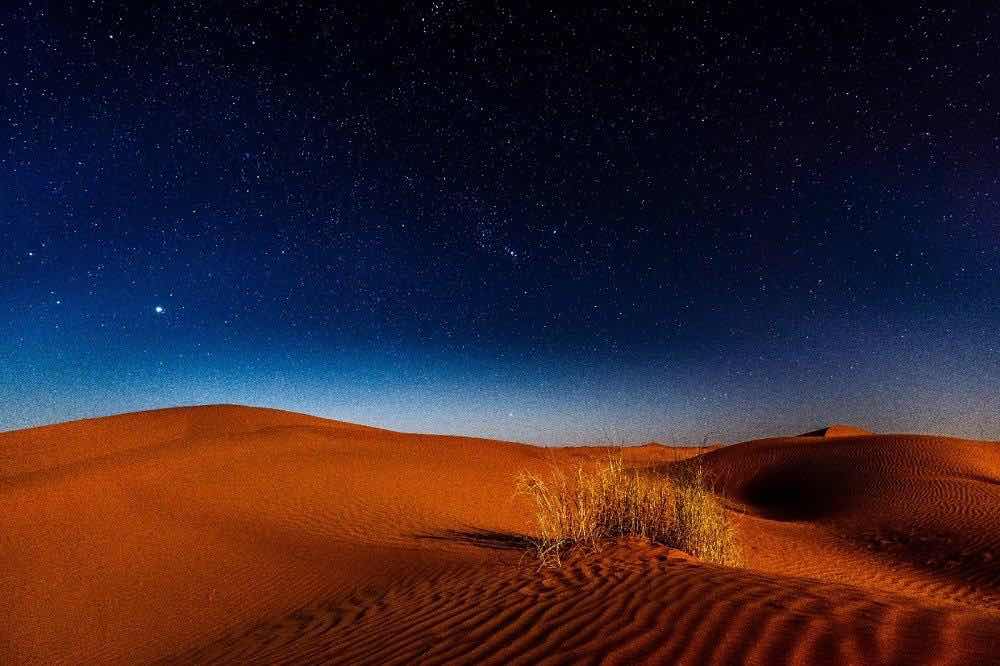
Al Quaa Desert in Abu Dhabi has become one of the UAE’s most talked-about stargazing spots, especially during Milky Way season.
Located far from major city lights, Al Quaa is known for its dark skies, open desert landscape and clear night views. For residents and visitors who want to see the Milky Way without travelling outside the UAE, this remote desert area is one of the best places to plan a night trip.
The spot is popular with photographers, astronomy lovers, campers and families looking for a different kind of outdoor experience away from malls, beaches and city attractions.
## Why Al Quaa is famous for stargazing
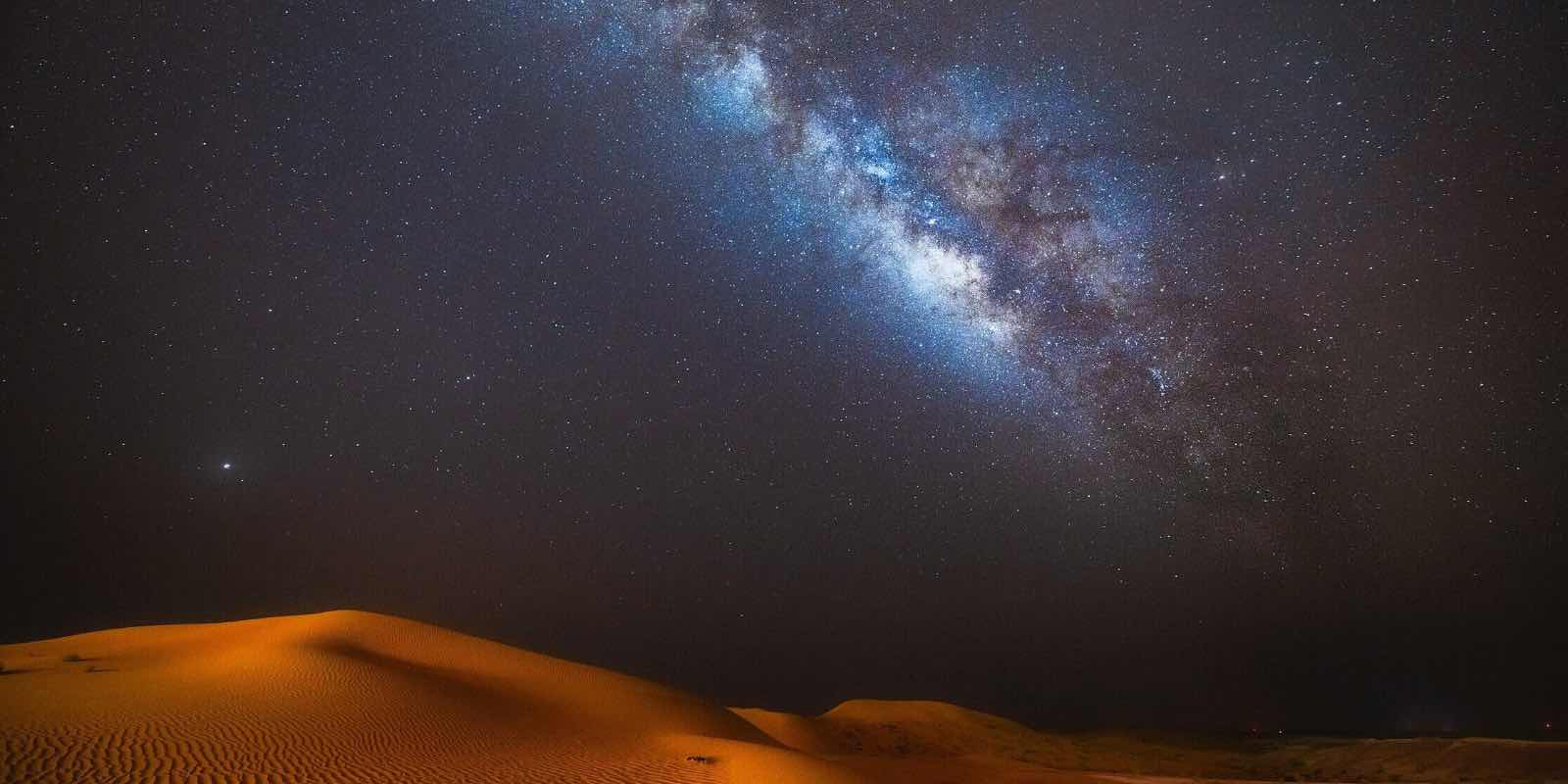
Al Quaa is often described as one of the darkest accessible locations in the UAE. Its distance from the bright lights of Abu Dhabi, Dubai and Al Ain makes it easier to see stars, constellations and, during the right season, the Milky Way.
According to AP News, Al Quaa is around 100km southeast of Abu Dhabi city, with the area offering one of the rare remaining dark-sky experiences in the UAE. AP also noted that city lights do not reach the deeper parts of Al Quaa Desert, allowing visitors to see the Milky Way more clearly.
For people living in cities, where light pollution makes the night sky appear dull, Al Quaa offers a rare chance to reconnect with the stars.
## When is Milky Way season in the UAE?
Milky Way visibility in the UAE is usually best from **late March to September**, with the core region becoming easier to spot during the darker hours of the night.
Khaleej Times reported that the Milky Way season starts from late March and remains visible until September. The best viewing time is usually **after 9pm and up to around 3am**, when the bright core region becomes easier to observe.
For the clearest experience, visitors should plan around a **new moon** or nights when the moon is very thin. A bright moon can wash out the stars and make the Milky Way harder to see.
## Best time of night to visit
The best time to view the Milky Way at Al Quaa is usually late evening to early morning.
Visitors should aim to reach before sunset, set up safely, allow their eyes to adjust to the darkness, and then begin observing the sky after 9pm.
As the night gets darker, the Milky Way band becomes easier to spot. It may first appear like a faint cloudy strip across the sky, especially towards the south or southeast.
Astronomy apps such as Stellarium or Sky Guide can help beginners identify constellations such as Scorpius and Sagittarius, which are useful reference points for locating the Milky Way core.
## How to reach Al Quaa Desert
Al Quaa is located in Abu Dhabi’s desert region and is usually visited by car.
Some routes can be reached by regular vehicles, but deeper desert areas may require a 4x4 depending on the exact spot, terrain and weather conditions. Tour operators also offer guided stargazing trips for people who do not want to drive into the desert on their own.
Ocean Gate Tours notes that regular cars may reach some meeting points, while deeper desert spots may need a 4x4. The same source also recommends checking weather conditions and preparing properly before visiting.
Visitors should avoid driving deep into soft sand without experience, proper tyres, recovery gear or another vehicle nearby.
## What to bring for a stargazing trip
A good Al Quaa trip needs some planning, especially because the location is remote.
Useful items to carry include:
- Drinking water - Snacks or packed food - Power bank - Flashlight or headlamp - Red-light torch if available - Camping chairs or mats - Warm layer for late night - Camera and tripod - Fully charged phone - Offline map or pinned location - First aid kit - Basic car recovery tools
Even during warmer months, desert temperatures can feel cooler late at night, especially if there is wind.
## Tips for photographing the Milky Way
Al Quaa is popular with photographers because of its dark skies and wide desert horizon.
For better photos, use a camera or phone that supports manual settings. A tripod is important because Milky Way photography usually needs long exposure. Beginners can start with a wide-angle lens, high ISO, low aperture and exposure time of around 10 to 20 seconds, then adjust based on the result.
Avoid using bright white lights while others are taking photos, as it can disturb long-exposure shots and affect night vision.
## Safety tips before visiting Al Quaa
Because Al Quaa is remote, visitors should plan carefully before going.
Travellers should share their location with someone, check the weather forecast, avoid visiting alone, carry enough water, and make sure the vehicle has enough fuel.
It is also important to respect the desert environment. Visitors should not leave waste behind, disturb wildlife, damage plants or drive carelessly across dunes.
For first-time visitors, joining a guided stargazing group or astronomy tour may be safer and more convenient.
## Why this matters
Al Quaa Desert offers one of the UAE’s most unique outdoor experiences.
In a country known for bright skylines, malls and city lights, Al Quaa gives residents and visitors a chance to experience the opposite: silence, darkness and a sky filled with stars.
For families, photographers and nature lovers, Milky Way season is a reminder that some of the UAE’s most memorable experiences happen away from the city, under a dark desert sky.
## Source Credits
Information source/resource owners: Gulf Buzz, AP News, Khaleej Times, Arabian Wanderers, Ocean Gate Tours, Dubai Astronomy Group.
## Image Credits
Image credit/resource owners: Getty Images, Platinumlist Guide, BENO, Ocean Gate Tours, Arabian Wanderers.