Why Is Dubai One of the World’s Richest Cities?
By Thasmiya
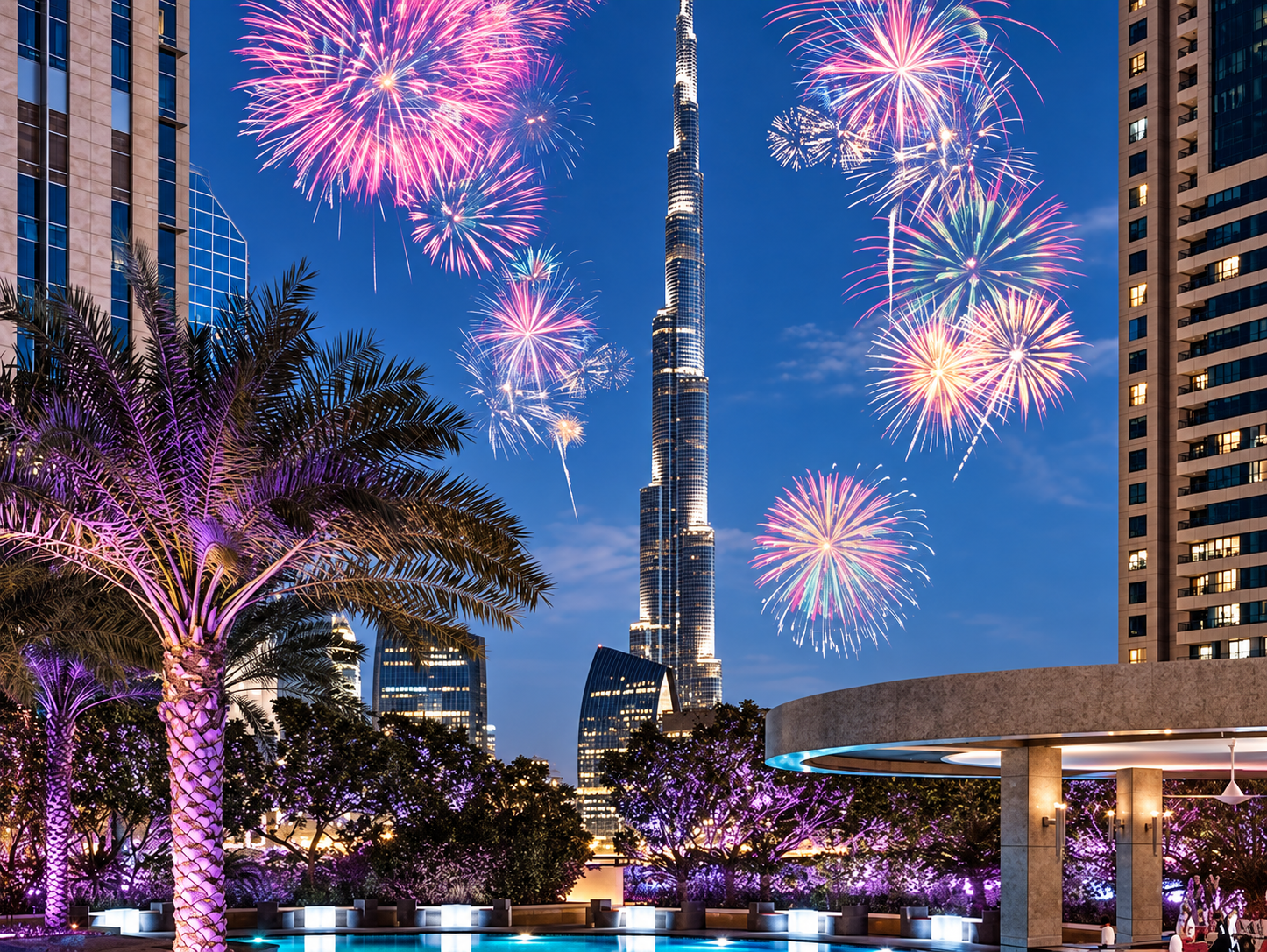
Dubai is known worldwide for luxury hotels, supercars, record-breaking skyscrapers, waterfront mansions and some of the most expensive real estate in the Middle East.
But Dubai’s wealth story is not simply about oil.
The emirate has built a highly diversified economy around **trade, finance, real estate, tourism, aviation, logistics, construction and international investment**. In the first quarter of 2026 alone, Dubai’s GDP reached **AED 232 billion**, up 2.4% year-on-year.
So how did a relatively small Gulf city become one of the world’s biggest magnets for businesses, investors and wealthy individuals?
## **Dubai’s Wealth Is Not Mainly Built on Oil**
One of the biggest misconceptions about Dubai is that most of its money comes from oil.
Oil played an important role in Dubai’s early development, particularly by helping finance infrastructure. But the emirate deliberately diversified its economy over several decades.
Today, some of Dubai’s biggest economic sectors include wholesale and retail trade, finance and insurance, transportation and logistics, real estate, construction, manufacturing, tourism and technology.
That diversification means Dubai is not dependent on a single industry to generate growth.
## **Dubai Became a Global Trading Hub**
Location has been one of Dubai’s biggest advantages.
Sitting between Europe, Asia and Africa allows businesses based in Dubai to reach some of the world’s largest markets within relatively short flight times.
Dubai built on this geographic advantage by investing heavily in ports, airports, roads, free zones and logistics infrastructure.
Trade remains the largest contributor to Dubai’s economy. In Q1 2026, wholesale and retail trade generated approximately **AED 50.9 billion**, accounting for around **22% of Dubai’s GDP**.
This makes Dubai much more than a tourism destination—it is an important regional centre for moving goods, capital and people.
## **No Personal Income Tax Attracts Global Talent**
Another major attraction is the UAE’s tax environment.
The UAE does **not levy personal income tax on individuals**, meaning employees generally do not have part of their salaries deducted as federal personal income tax.
That can make Dubai particularly attractive to highly paid professionals, entrepreneurs and investors coming from countries with much higher personal tax rates.
However, describing Dubai as completely “tax-free” would be inaccurate.
The UAE has a 5% VAT, corporate tax and other applicable taxes and fees. The standard corporate-tax structure currently provides a 0% rate on taxable income up to AED 375,000 and 9% above that threshold, subject to the law and applicable exemptions or special regimes.
## **Real Estate Created Enormous Wealth**
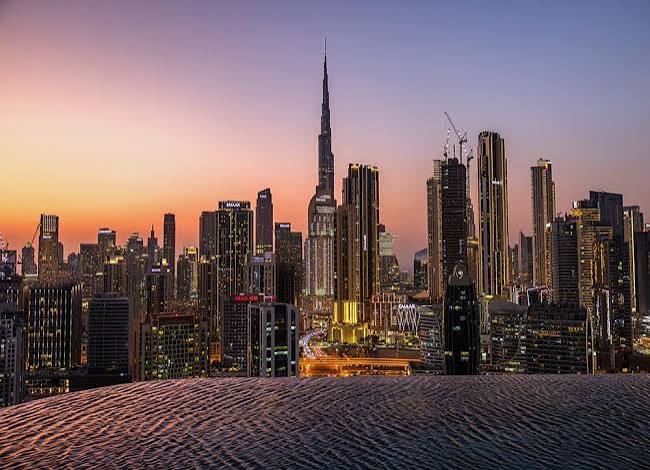
Property has become another major engine of Dubai’s wealth.
From Downtown Dubai and Palm Jumeirah to Dubai Marina, Emirates Hills and newer waterfront communities, Dubai has developed a global luxury-property market attracting buyers from around the world.
Real estate activities alone contributed approximately **AED 26 billion** to Dubai’s economy during Q1 2026, representing about **11.2% of GDP**. Construction contributed another AED 18.7 billion.
Property development has also created wealth beyond developers themselves. It supports construction companies, architects, brokers, interior designers, banks, hospitality companies and thousands of other businesses.
## **Dubai Attracts International Investment**
Dubai has spent decades positioning itself as a place where international companies can establish regional operations.
Business districts and free zones have been developed around specific industries, helping create ecosystems for finance, technology, media, commodities, logistics and other sectors.
This has helped attract foreign investment and multinational companies.
Investment Corporation of Dubai reported that Dubai attracted an estimated **AED 40.4 billion in FDI capital during the first half of 2025**, up 62% from the same period a year earlier.
International capital entering the city supports new businesses, jobs, property development and economic activity.
## **Finance Is Now a Major Part of Dubai’s Economy**
Dubai has also established itself as an important financial centre connecting markets across the Middle East, Africa and South Asia.
Banks, investment firms, insurers, wealth managers, fintech businesses, family offices and international financial institutions have established operations in the city.
Financial and insurance activities generated approximately **AED 32.4 billion in Q1 2026**, representing about **14% of Dubai’s GDP**. The sector grew 6.5% compared with the same quarter of 2025.
That financial ecosystem also makes Dubai attractive to wealthy individuals who want access to investment, banking and wealth-management services.
## **Tourism Brings Billions Into the Economy**
Dubai transformed itself into one of the [world’s leading tourism destinations.](https://www.whatmatters.ae/post/dubai-tourist-visa-in-48-hours-how-visitors-can-apply-for-30-or-60-day-entry)
Burj Khalifa, Palm Jumeirah, Dubai Mall, luxury resorts, beaches, desert experiences, restaurants, theme parks, sporting events and international entertainment attract millions of travellers each year.
Dubai welcomed a record **19.59 million international overnight visitors in 2025**, an increase of 5% from 2024.
Those visitors spend money across hotels, restaurants, taxis, airlines, attractions, shopping centres and entertainment venues, spreading tourism revenue throughout the economy.
## **Emirates Helped Put Dubai on the Global Map**
Aviation has played a huge role in Dubai’s development.
Dubai International Airport connects the city with major destinations worldwide, while Emirates has helped establish Dubai as an international transit and tourism hub.
Instead of simply flying people to Dubai, the aviation network allows travellers moving between continents to pass through the city.
Many then stop, stay in hotels, shop, dine or return for future holidays.
That connectivity also makes Dubai practical as a headquarters for businesses whose employees need to travel frequently across Europe, Asia, Africa and the Middle East.
## **Infrastructure Makes Business Easier**
Dubai has continuously invested in infrastructure.
Its road network, Dubai Metro, airports, ports, telecommunications networks and digital government services allow a relatively large volume of economic activity to operate within a geographically compact city.
Infrastructure also supports productivity.
A business can import products through a major port, store them in a logistics zone, manage regional operations from a Dubai office and connect executives to international markets through one of the world’s largest aviation hubs.
This combination is difficult for many cities to replicate.
## **Wealthy People Bring More Wealth**
Dubai’s success has created a reinforcing cycle.
As more entrepreneurs, executives and investors move to the city, demand increases for luxury property, private banking, restaurants, schools, healthcare, professional services and premium retail.
That demand creates new businesses and investment opportunities.
Those businesses attract more skilled professionals and capital, which generates further demand.
Over time, Dubai has developed an ecosystem specifically capable of serving internationally mobile wealth.
## **Government Strategy Has Played a Major Role**
Dubai’s transformation did not happen accidentally.
Government planning has consistently focused on building industries that can attract international capital and reduce dependence on hydrocarbons.
Dubai’s current economic strategy continues this approach by focusing on innovation, entrepreneurship, digital industries, international trade and investment.
The result is an economy where trade, finance, property, tourism, aviation and logistics reinforce one another.
## **Is Everyone in Dubai Rich?**
No.
This is an important distinction when describing Dubai as one of the world’s richest cities.
A city can contain enormous private wealth and generate a large amount of economic activity without every resident being wealthy.
Dubai has residents across a very broad income spectrum, from billionaires and high-income executives to middle-income professionals and lower-paid workers.
The visible concentration of luxury cars, villas and high-end hotels therefore does not represent the financial situation of every person living in the emirate.
## **So, Why Is Dubai So Rich?**
There is no single reason.
Dubai combined its geographic location with infrastructure, global trade, aviation, tourism, property development, international investment, financial services and a competitive business environment.
Its lack of personal income tax also makes it attractive to internationally mobile professionals and investors.
Most importantly, Dubai used the wealth and opportunities available during its earlier development to build industries capable of generating economic activity long after oil stopped being the centre of its growth story.
## **Why This Matters**
Dubai demonstrates how a city can transform its economy by becoming useful to the rest of the world.
It became a place where businesses trade, tourists visit, airlines connect, investors deploy capital, professionals work and entrepreneurs establish companies.
That combination—not simply oil—is what helped turn Dubai into one of the world’s most recognisable centres of wealth.
And the economy continues to expand: Dubai’s GDP reached **AED 232 billion in Q1 2026**, while trade, finance, property and construction remained among its major economic engines.
## Related Reads - [iOS 27 Release Date: When Is It Coming to Your iPhone — and What’s New?](/post/ios-27-release-date-when-coming-iphone-whats) - [Dubai vs Abu Dhabi: Cost of Living, Jobs and Lifestyle Compared in 2026](/post/dubai-vs-abu-dhabi-cost-living-jobs-lifestyle) - [Instagram Now Lets You Put Someone Else’s Post on Your Profile Grid](/post/instagram-now-lets-put-someone-elses-post-profile) - [iPhone 18 and the Fold Are Here — UAE Prices Are Higher Than Ever, but Tourists Can Save on VAT](/post/iphone-18-fold-here-uae-prices-higher-than) - [More stories like this](/category/lifestyle)