Saudi Arabia’s First Coffee City: How Al Baha Is Becoming a New Hub for Saudi Coffee
By Aryan
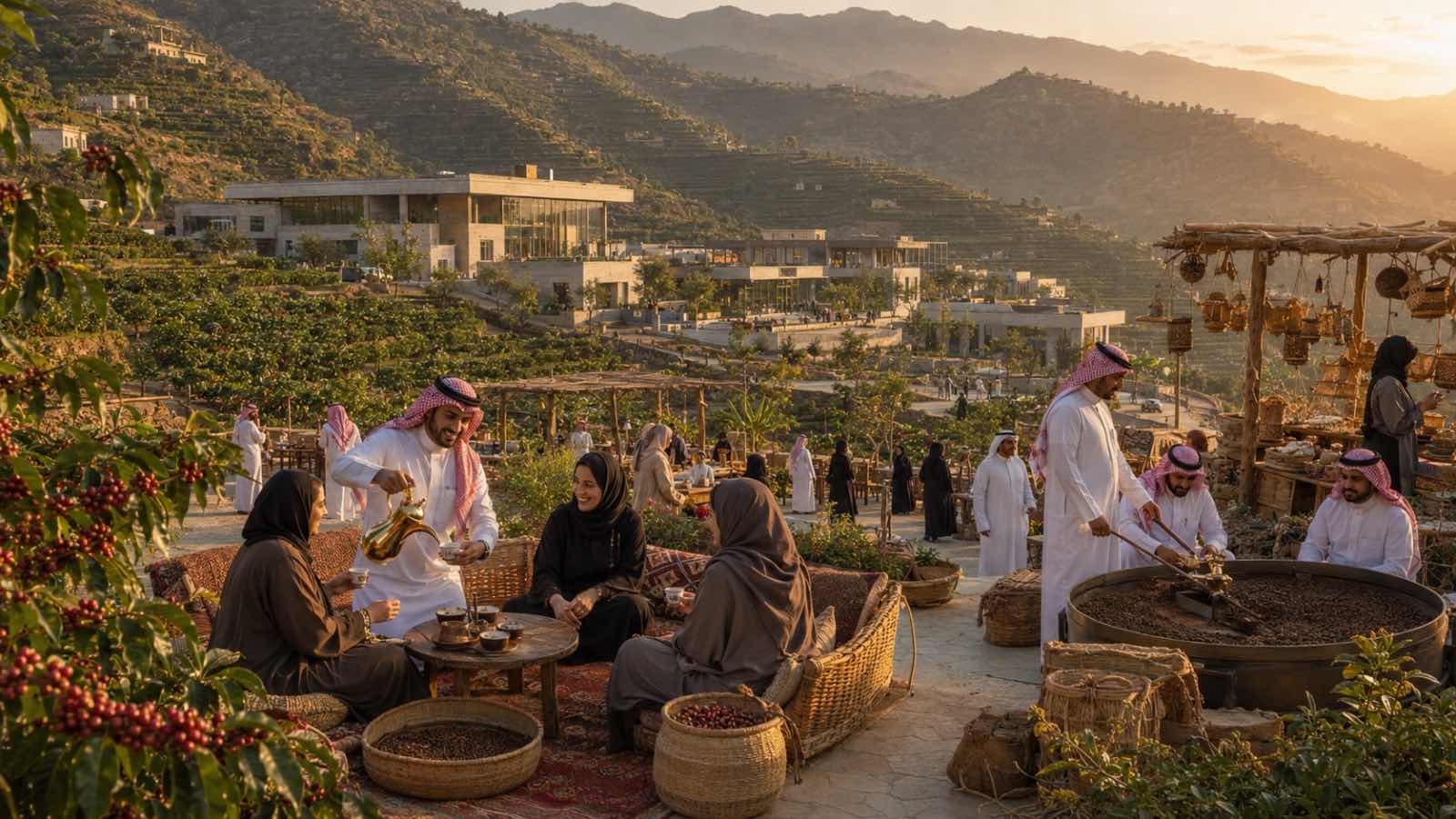
Saudi Arabia is developing its first dedicated **Coffee City** in the Al Baha region, as the Kingdom works to expand local coffee production, support farmers and turn Saudi coffee into a stronger economic and cultural asset.
The project is located in **Ma’shouqa** in Al Qura governorate, an area known for coffee farms, mountain agriculture and premium Saudi coffee varieties. It is part of the country’s wider plan to grow the coffee sector under [Saudi Vision 2030](https://www.vision2030.gov.sa/), while also supporting rural development, tourism and local employment.
Saudi coffee has long been part of the Kingdom’s hospitality culture. Now, the Coffee City project is designed to move the sector beyond tradition by adding farming, processing, training, tourism and investment opportunities in one integrated destination.
## What is Saudi Arabia’s Coffee City?
Coffee City is a specialised agricultural and industrial project focused on coffee cultivation, processing and development.
According to Saudi coffee sector reports, the project is being developed in Al Baha’s Ma’shouqa area, a region with hundreds of coffee farms and thousands of coffee trees. Arab News reported that the Baha Coffee City is located in Ma’shouqa, which is home to more than **450 coffee farms** and around **115,000 coffee trees** producing premium coffee varieties.
The project supports the Kingdom’s goal of strengthening Saudi coffee production while helping farmers, cooperatives and investors take part in the growing coffee economy.
## Where is the Coffee City located?
The Coffee City project is in **Ma’shouqa**, in Al Qura governorate, within Saudi Arabia’s **Al Baha** region.
Al Baha is one of the Kingdom’s key agricultural areas, known for mountain farms, terraced landscapes, cooler highland weather and crops such as coffee, pomegranates and seasonal fruits.
The location matters because the region already has a strong coffee-growing identity. Its climate and terrain support the cultivation of Arabica coffee, especially in mountainous areas.
## How big is the project?
Earlier project details said the Coffee City would cover around **1.6 million square metres**.
The original investment agreement included plans to cultivate **300,000 Arabica coffee seedlings** along with pomegranate trees on a site of more than **1.66 million square metres** in Ma’shouqa.
The project is also expected to include a model farm, an integrated nursery for coffee seedlings, workshops, warehouses, a business centre, accommodation, a training centre and other support facilities.
## Why Saudi Arabia is investing in coffee
Saudi Arabia is one of the region’s most important coffee-consuming markets, but the government is also working to increase local coffee production.
The [Ministry of Environment, Water and Agriculture](https://www.mewa.gov.sa/en) has said Saudi Arabia aims to transform **15 regions in the southwest** into important Arabica coffee production hubs. The ministry has also highlighted coffee cultivation as part of rural development, agricultural investment and Vision 2030 economic goals.
The ministry previously stated that Saudi Arabia had more than **400,000 coffee trees** and was targeting **1.2 million coffee trees by 2026**, showing how seriously the Kingdom is scaling the sector.
## Supporting farmers and local jobs
One of the main goals of Coffee City is to support local farmers and create job opportunities.
The project is expected to help coffee farmers through better seedlings, training, processing facilities, agricultural support and improved market access. This could make it easier for small farms to improve quality and increase production.
Saudi reports have also linked the project to creating local employment and strengthening the role of cooperative societies in agricultural development.
## Coffee City could also become a tourism destination
Coffee City is not only about farming.
Because Al Baha is already known for scenic mountains, rural farms and cultural tourism, the project could also support agri-tourism. Visitors may eventually be able to experience coffee farms, learn about Saudi coffee production, explore local heritage and understand how coffee moves from plant to cup.
This matters because Saudi Arabia is investing heavily in tourism as part of Vision 2030, and regional agricultural destinations can help attract visitors beyond major cities.
## Why Saudi coffee is culturally important
Saudi coffee is deeply connected to hospitality, identity and social traditions.
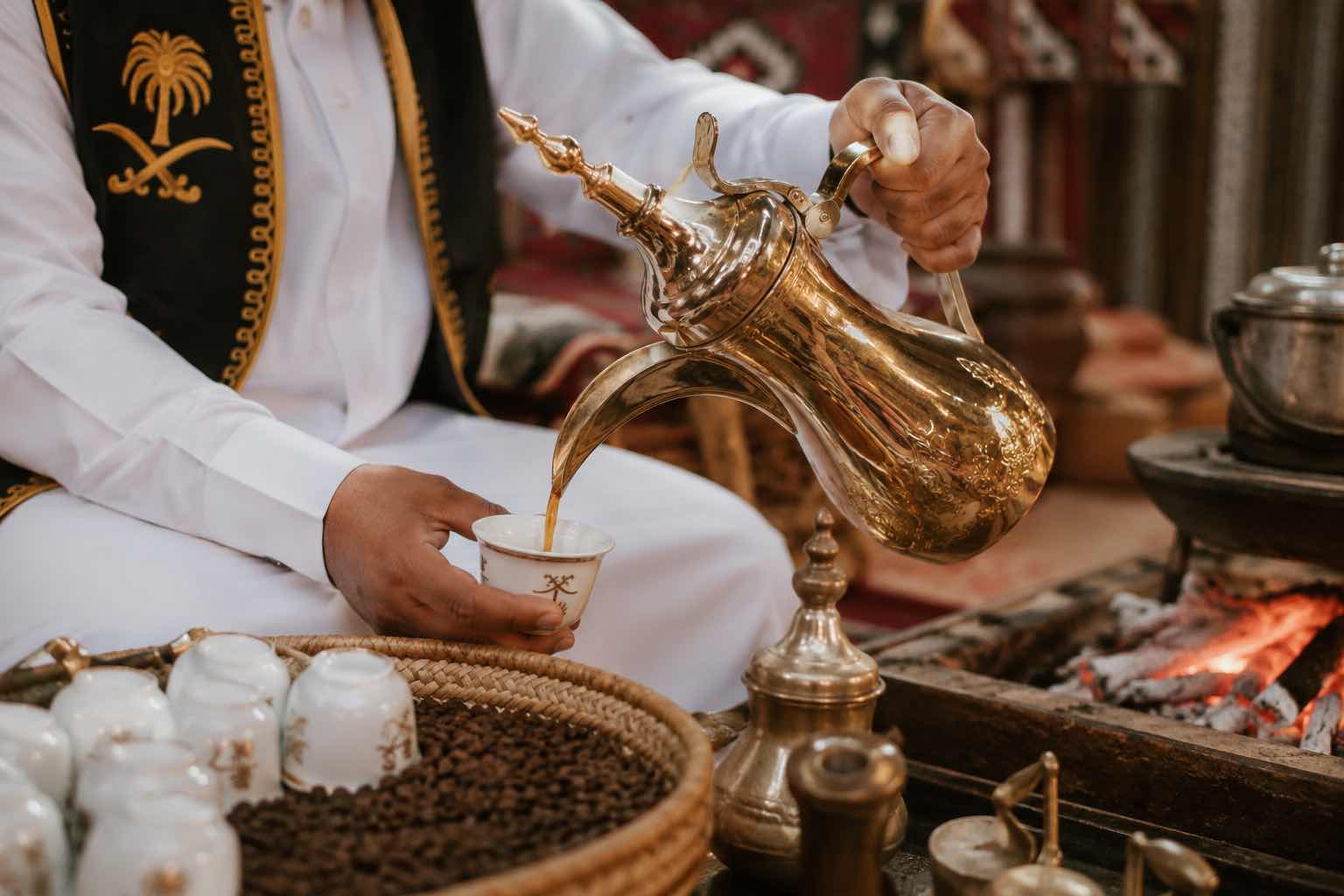
In Saudi homes and majlis gatherings, coffee is often served with dates and prepared with spices such as cardamom, saffron or cloves. It is not just a drink; it is part of how guests are welcomed.
The Ministry of Environment, Water and Agriculture has also noted that **Saudi Khawlani coffee** is listed by UNESCO as part of the Representative List of the Intangible Cultural Heritage of Humanity, reflecting its cultural value.
## What this means for the Gulf coffee market
The Coffee City project could help Saudi Arabia become a stronger regional coffee producer.
Today, many Gulf countries are known more for coffee consumption and café culture than large-scale coffee farming. Saudi Arabia’s southern regions, however, have the climate and history to support local coffee cultivation.
If Coffee City succeeds, it could improve local supply, create more Saudi coffee brands, support exports and increase awareness of regional coffee origins.
## Why this matters
Saudi Arabia’s first Coffee City is important because it connects agriculture, heritage, tourism and economic diversification.
For farmers, it could mean better support and higher-value production. For consumers, it could increase access to locally grown Saudi coffee. For the economy, it supports Vision 2030 goals around rural development, food security, investment and tourism.
Most importantly, it shows how Saudi coffee is moving from a traditional symbol of hospitality into a modern national industry with global potential.
## Source Credits
Information source/resource owners: Arab News, Saudi Press Agency, Ministry of Environment, Water and Agriculture, Saudipedia, Daily Coffee News, Vision 2030, Stir Tea & Coffee.
## Image Credits
Image credit/resource owners: Saudi Press Agency, Ministry of Environment, Water and Agriculture, Arab News, Construction Week Middle East, Gulf News, Getty Images.