Sheikh Zayed Road Gets Extra Lane Near Umm Al Sheif to Ease Peak-Hour Traffic
By Thasmiya
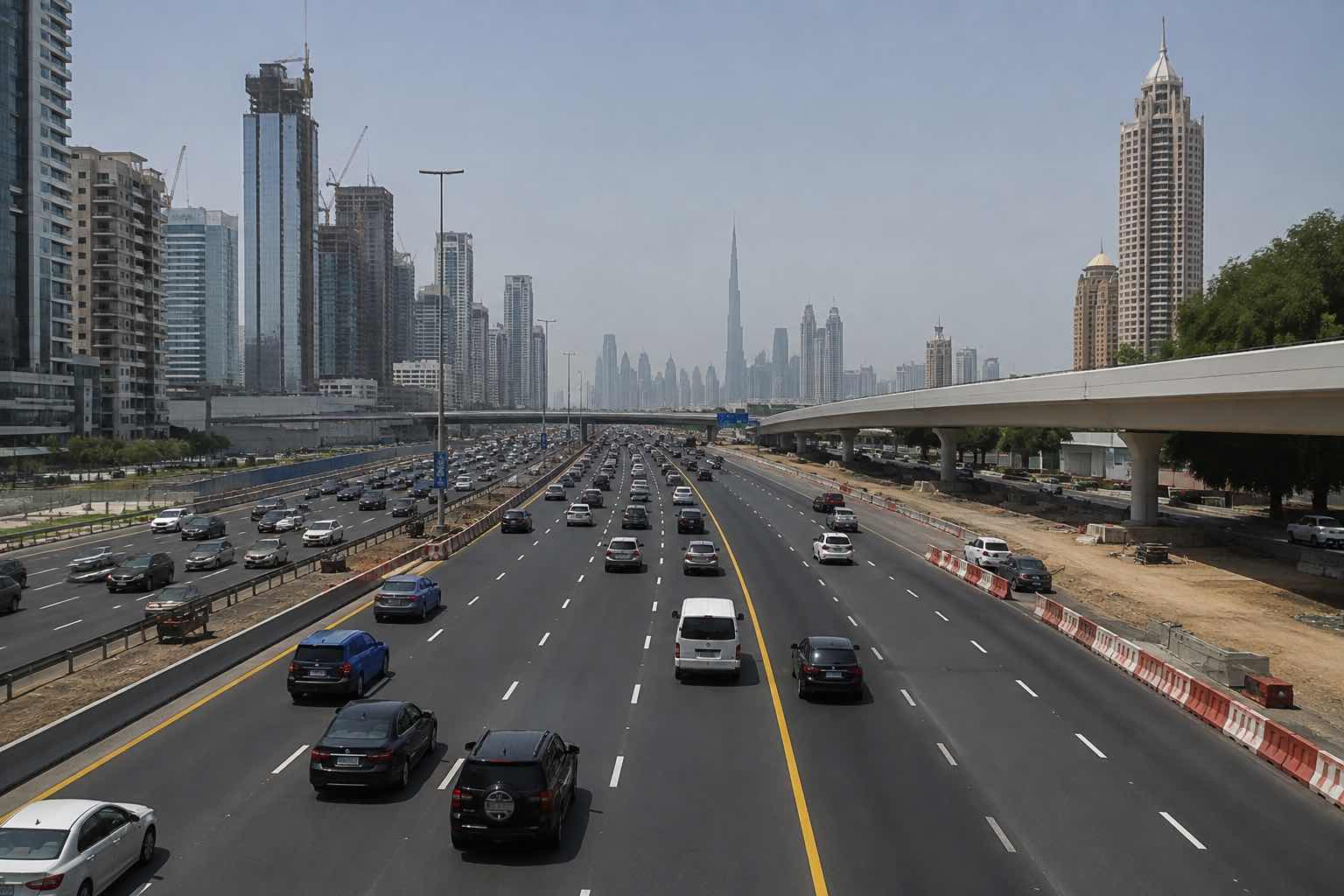
Dubai’s Roads and Transport Authority has completed a **700-metre widening project on Sheikh Zayed Road near the Umm Al Sheif Street exit**, adding an extra lane to one of the city’s busiest traffic corridors.
The upgrade expands the road from **six lanes to seven**, increasing capacity by around **16% to 14,000 vehicles per hour**. RTA says the change is aimed at easing congestion around a known evening peak-hour bottleneck.
## **Where is the new lane?**
The new lane has been added on Sheikh Zayed Road near the **Umm Al Sheif Street exit**, serving traffic coming from the Abu Dhabi direction.
The area is a major connection point for motorists heading towards residential districts, commercial zones and central Dubai.
## **What changed?**
RTA widened approximately **700 metres of Sheikh Zayed Road**, increasing the number of lanes from six to seven.
The project is designed to improve traffic flow before vehicles reach the Umm Al Sheif junction, where merging and overlapping traffic movements can create congestion during the evening rush.
## **Road capacity increases to 14,000 vehicles per hour**
Before the upgrade, the road carried fewer vehicles through the affected section.
With the additional lane, capacity has increased by around **16%**, allowing up to **14,000 vehicles per hour** to pass through the corridor.
The extra capacity is expected to reduce queues and make traffic movement more consistent during busy periods.
## **Why was Umm Al Sheif identified as a bottleneck?**
RTA said the widening specifically targets traffic overlap near the Umm Al Sheif Street junction.
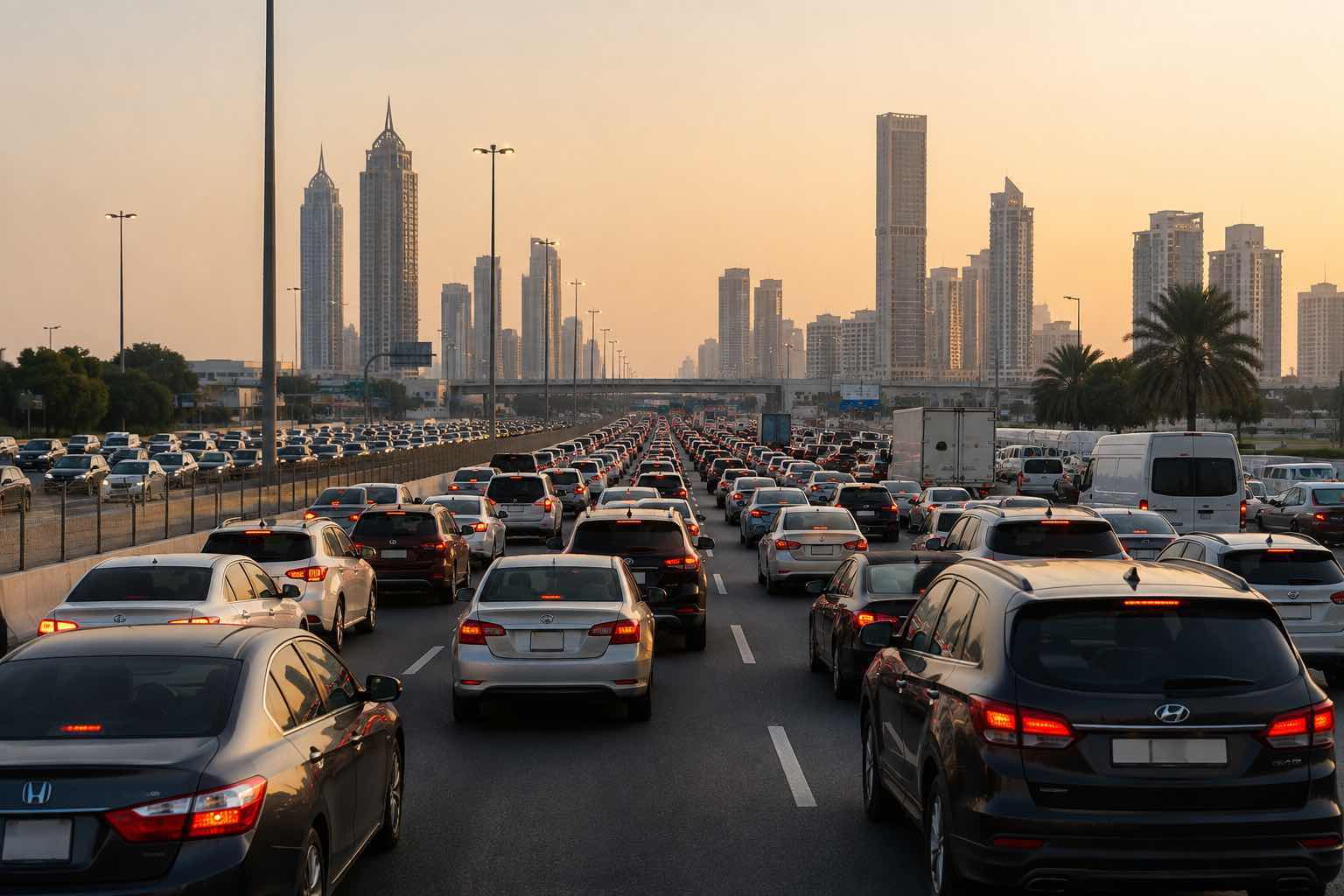
Vehicles changing lanes or exiting the highway can slow through traffic, especially during the evening peak when large numbers of commuters travel north from areas such as Jebel Ali, Dubai Marina and Al Barsha.
By adding another lane before the exit, vehicles have more space to position themselves earlier and move through the area with less conflict.
## **Which motorists are likely to benefit?**
The upgrade is particularly relevant to drivers travelling from the Abu Dhabi and Jebel Ali direction towards central Dubai.
It can also improve journeys for motorists heading towards areas including:
- Umm Al Sheif - Al Manara - Al Barsha - Al Quoz - Downtown Dubai - DIFC - Dubai Mall
Sheikh Zayed Road remains one of Dubai’s most important economic and mobility corridors, linking major residential, business, hospitality and tourism districts.
## **Part of wider road upgrades around Umm Suqeim**
The widening also complements RTA’s larger plans for the Umm Suqeim corridor.
A separate major project will upgrade Umm Suqeim Street between Jumeirah Street and Al Khail Road, including new bridges and tunnels at several intersections. That wider scheme is designed to improve connectivity between Sheikh Zayed Road, Al Khail Road, Sheikh Mohammed bin Zayed Road and Emirates Road.
RTA says the upgraded Umm Suqeim corridor will eventually increase capacity to **16,000 vehicles per hour in both directions** and cut travel time between Jumeirah Street and Al Khail Road from around 20 minutes to six.
## **Why Sheikh Zayed Road remains a priority**
Sheikh Zayed Road is surrounded by some of Dubai’s busiest destinations, including financial institutions, hotels, shopping centres, office towers and residential communities.
It also provides access towards DIFC, Downtown Dubai, Burj Khalifa and Dubai Mall, meaning even a relatively small bottleneck can affect thousands of commuters during peak periods.
Targeted improvements such as extra lanes can therefore deliver noticeable benefits without requiring a complete reconstruction of the highway.
## **Will the new lane completely remove congestion?**
No single road upgrade can eliminate congestion across Sheikh Zayed Road.
Traffic volumes remain extremely high, particularly during weekday morning and evening peaks. However, widening a specific bottleneck can help prevent queues from forming or spreading backwards along the highway.
The biggest benefit should be seen near the Umm Al Sheif exit, where the additional lane gives motorists more space to separate through traffic from exiting traffic.
## **Why this matters**
A 700-metre road widening may sound like a relatively small project, but its location makes it important.
The Umm Al Sheif exit sits on one of Dubai’s busiest commuter corridors, and evening congestion can quickly affect surrounding junctions.
Increasing capacity to 14,000 vehicles per hour gives RTA another tool to reduce delays while broader infrastructure projects continue across the city.
For motorists who regularly use Sheikh Zayed Road from the Abu Dhabi direction, the change should mean smoother merging, fewer traffic conflicts and more reliable travel during peak periods.
## **FAQs**
### **Where has the new Sheikh Zayed Road lane been added?**
The new lane is located near the Umm Al Sheif Street exit for traffic travelling from the Abu Dhabi direction.
### **How long is the widened section?**
The upgraded section extends for approximately 700 metres.
### **How many lanes does the road now have?**
The section has been expanded from six lanes to seven.
### **How much has capacity increased?**
RTA says capacity has increased by around 16%, reaching up to 14,000 vehicles per hour.
### **Why was the lane added?**
The project was designed to remove traffic overlap near the Umm Al Sheif junction and ease congestion during evening peak hours.
### **Is RTA carrying out other upgrades nearby?**
Yes. RTA is also developing the wider Umm Suqeim corridor with new bridges, tunnels and intersection improvements between Jumeirah Street and Al Khail Road.
## **Source Credits**
Information source and resource owners: Dubai Roads and Transport Authority and Government of Dubai Media Office.
## **Image Credits**
Image sources are combined from AI-generated visuals and other platforms. If any owner wants to be mentioned or any content needs to be changed, please email us at **concerns@whatmatters.ae**.