Suhail Star UAE 2026: When It Will Appear and What It Means for the Weather
By Thasmiya
For UAE residents waiting for a break from the intense summer heat, one of the region’s most anticipated seasonal signs is almost here.
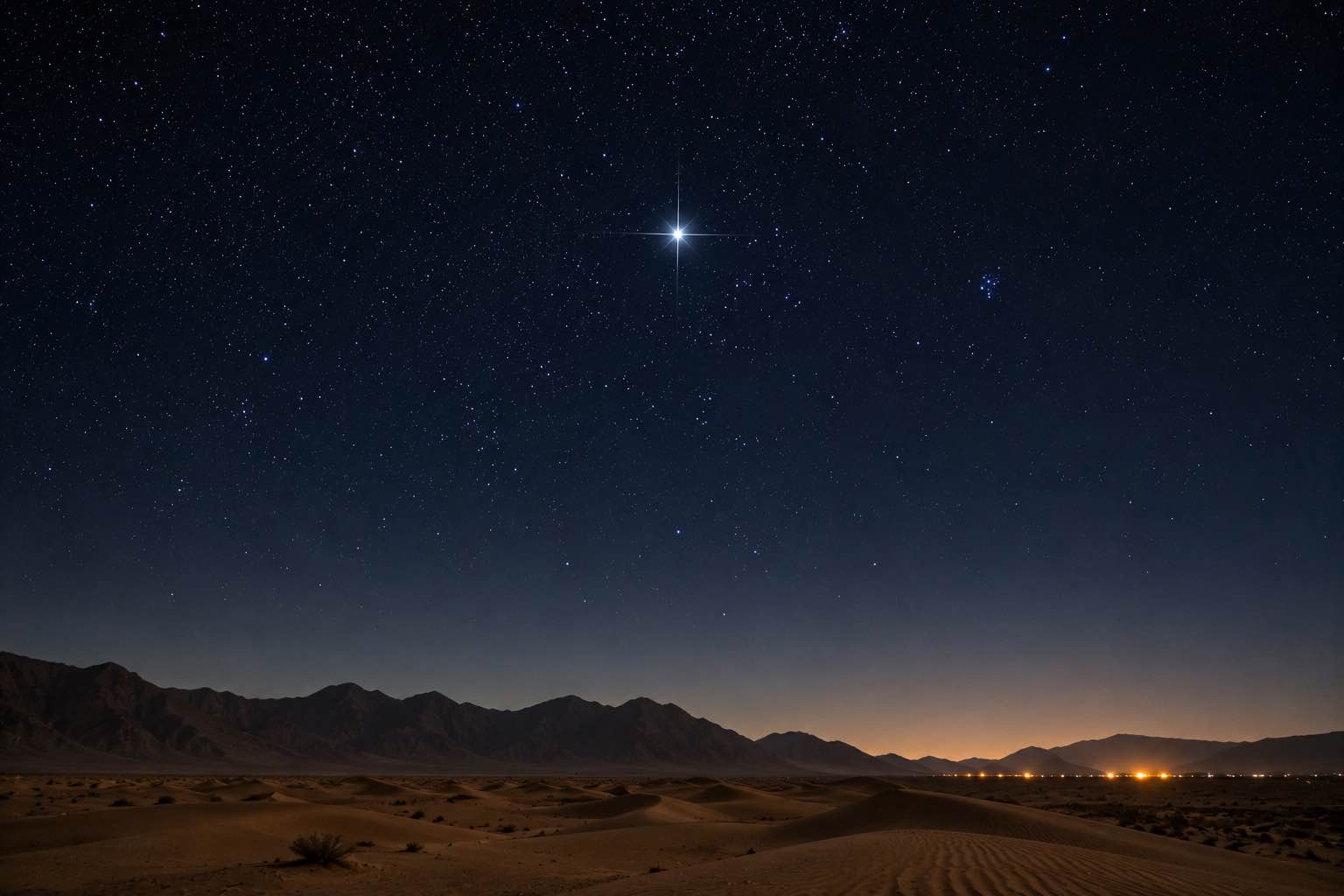
The **Suhail star**, also known internationally as **Canopus**, is traditionally expected to become visible in UAE skies around **August 24**. For generations across the Arabian Peninsula, its appearance has been associated with the beginning of the end of peak summer and the gradual transition towards cooler weather. ([Gulf News](https://gulfnews.com/uae/weather/suhail-star-to-mark-end-of-uaes-summer-on-august-24-1.1660834450016?utm_source=chatgpt.com))
But there is an important distinction: **Suhail does not cause temperatures to fall**, and its appearance does not mean UAE winter has suddenly arrived. Instead, the star has historically served as a reliable seasonal marker because its annual appearance coincides with the time of year when the most extreme summer conditions gradually begin to ease. ([The National](https://www.thenationalnews.com/uae/2022/08/24/suhail-star-sighting-in-uae-skies-means-cooler-weather-is-near/?utm_source=chatgpt.com))
## **When will the Suhail star appear in the UAE in 2026?**
Suhail traditionally becomes visible over the UAE at dawn around **August 24 each year**.
It appears low towards the southern to south-eastern horizon shortly before sunrise. In previous years, UAE astronomers have recorded its first seasonal visibility around August 22 to 24, depending on viewing conditions and location. ([The National](https://www.thenationalnews.com/news/uae/2024/08/13/when-will-summer-end-uae/?utm_source=chatgpt.com))
For 2026, residents can therefore look towards the pre-dawn sky around **August 24**, weather and visibility permitting.
As of August 14, that means the UAE is only around 10 days away from the traditional appearance of one of its best-known seasonal stars.
## **What exactly is the Suhail star?**
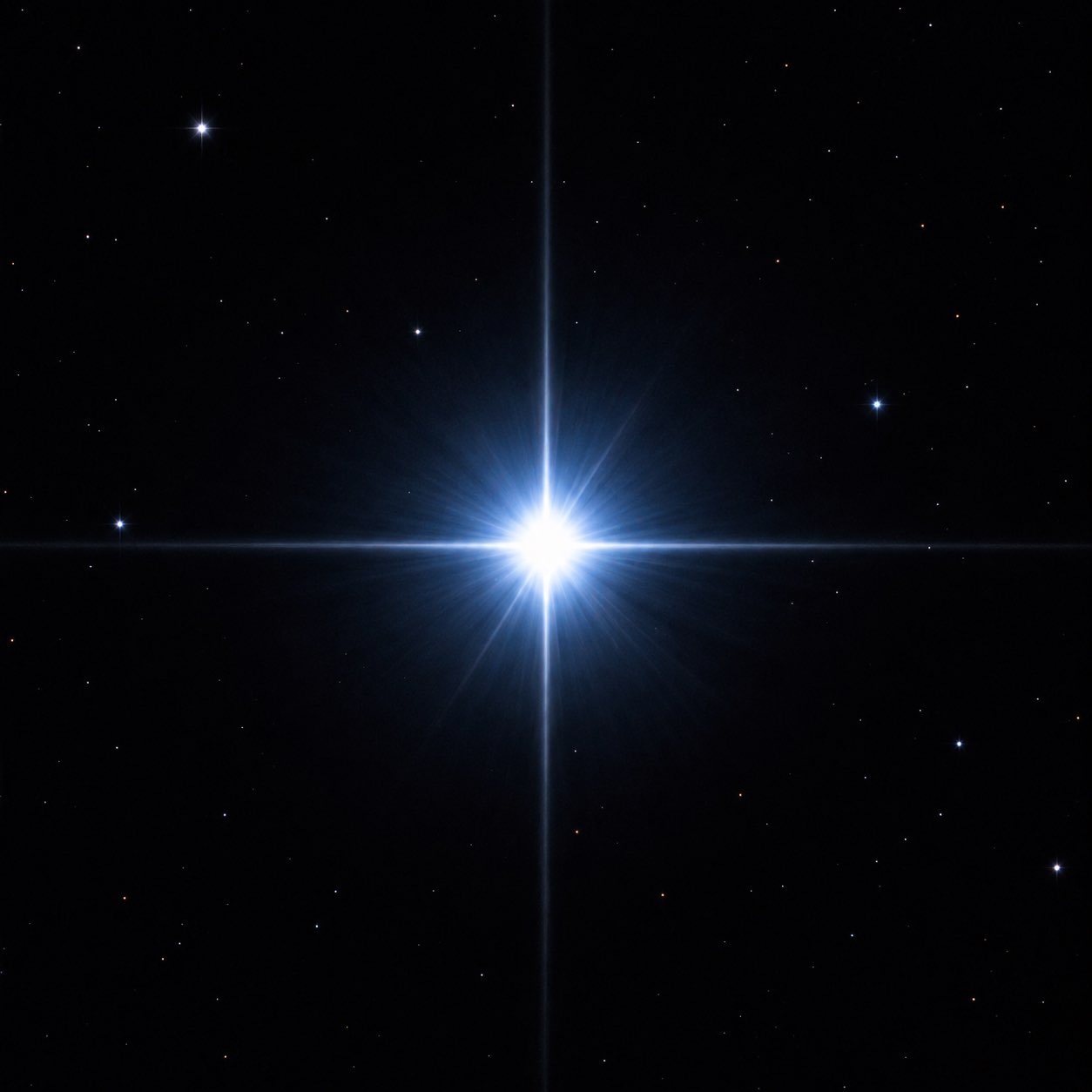
Suhail is the Arabic name commonly used for **Canopus**, one of the brightest stars visible from Earth.
It is the **second-brightest star in the night sky after Sirius** and belongs to the constellation Carina. Its brightness means it can be visible to the naked eye when conditions are suitable. ([Khaleej Times](https://www.khaleejtimes.com/uae/uae-suhail-star-spotted-marking-end-of-peak-summer?utm_source=chatgpt.com))
Suhail is also known traditionally as the **Star of Yemen**, reflecting its position towards the southern sky and its long cultural importance throughout Arabia.
## **Does Suhail mean UAE summer is over?**
Not immediately.
The appearance of Suhail traditionally marks the **beginning of the end of peak summer**, rather than the arrival of cool weather overnight.
Ibrahim Al Jarwan, chairman of the Emirates Astronomical Society, has explained that the UAE’s hottest seasonal period, known as **Al Qayz**, begins easing during the final third of August around the time Suhail rises. ([Gulf News](https://gulfnews.com/uae/weather/when-will-summer-end-in-the-uae-heres-the-official-date-1.500592783?utm_source=chatgpt.com))
Residents should therefore not expect August 24 to suddenly feel like winter.
Temperatures can remain extremely high through late August and September, particularly during the daytime.
## **So when will temperatures actually start dropping?**
The first changes tend to be gradual.
After Suhail appears, nights traditionally begin becoming slightly cooler and the length of daylight continues to decrease.
The period immediately following Suhail is commonly associated with a roughly **40-day transitional season**, often referred to as **Sufriya or Al Safri**. Weather during this period can remain hot and fluctuate considerably. ([Khaleej Times](https://www.khaleejtimes.com/uae/uae-suhail-star-spotted-marking-end-of-peak-summer?utm_source=chatgpt.com))
More noticeable daytime cooling generally develops later.
Weather experts have noted that a clearer drop in UAE temperatures typically occurs from **late September into October**, when daytime highs begin moving towards more comfortable levels. ([Khaleej Times](https://www.khaleejtimes.com/uae/weather/summer-peak-weather-experts?amp=1&utm_source=chatgpt.com))
## **When does autumn officially begin in the UAE?**
There are different ways of defining the seasons.
Meteorologically, September is considered the beginning of autumn. Astronomically, however, the UAE’s summer in 2026 ends with the **autumnal equinox on September 23**. ([Gulf News](https://gulfnews.com/uae/weather/when-will-summer-end-in-the-uae-heres-the-official-date-1.500592783?utm_source=chatgpt.com))
Suhail’s appearance therefore arrives roughly a month before the astronomical start of autumn.
This is why it is better understood as a traditional warning that the seasonal transition is beginning rather than the official end of summer.
## **Why did Emiratis traditionally watch for Suhail?**
Long before smartphones, weather apps and modern meteorological forecasting, people across the Arabian Peninsula relied heavily on the sky.
Stars helped communities understand approximately when seasons were changing and when conditions might become suitable for different activities.
Suhail became particularly important because its annual appearance was associated with changes affecting:
- Fishing - Pearl diving - Farming - Date harvesting - Travel - Seasonal rainfall - Sea conditions - Migration of birds - Night-time temperatures
Its arrival therefore carried practical significance rather than simply astronomical interest. ([Khaleej Times](https://www.khaleejtimes.com/uae/from-predicting-uaes-winter-and-rains-to-best-time-to-travel-how-ancient-drour-calendar-has-all-th?amp=1&utm_source=chatgpt.com))
## **Suhail and the traditional Al Drour calendar**
Suhail is also closely associated with the traditional **Al Drour calendar**, an old seasonal system used in the Arabian Peninsula.
The appearance of Suhail effectively marks the beginning of this calendar.
Historically, people used it to divide the year into recognised seasonal periods and anticipate changes in temperature, winds, rainfall, agriculture and sea conditions. ([Khaleej Times](https://www.khaleejtimes.com/uae/from-predicting-uaes-winter-and-rains-to-best-time-to-travel-how-ancient-drour-calendar-has-all-th?amp=1&utm_source=chatgpt.com))
This knowledge was particularly important for communities whose livelihoods depended on fishing, farming, travel and pearl diving.
## **Does Suhail actually make the weather cooler?**
No.
Suhail itself has **no physical effect on UAE weather**.
The star does not lower temperatures, change winds or produce rain.
Its importance comes from timing: its predictable annual appearance happens to coincide with seasonal changes caused by Earth’s movement around the Sun and changing atmospheric conditions. ([The National](https://www.thenationalnews.com/uae/2022/08/24/suhail-star-sighting-in-uae-skies-means-cooler-weather-is-near/?utm_source=chatgpt.com))
Think of Suhail as a traditional calendar marker in the sky rather than a weather-making star.
## **What weather changes traditionally follow Suhail?**
The period following its appearance has historically been associated with several gradual changes.
Night-time temperatures begin easing, daylight becomes shorter and the angle of the Sun continues changing.
Seasonal winds can also shift, while humidity and cloud conditions may vary.
Eastern parts of the UAE and areas around the Hajar Mountains can experience clouds, drizzle or thunderstorms during the broader transition period, although these conditions are determined by actual atmospheric patterns rather than the star itself. ([Gulf News](https://gulfnews.com/uae/suhail-star-to-mark-end-of-uaes-extreme-summer-heat-on-august-24-1.1597215108265?utm_source=chatgpt.com))
## **Does Suhail mean rain is coming?**
Not necessarily.
The appearance of Suhail has traditionally been linked with the beginning of a seasonal period during which rainfall becomes increasingly possible, particularly around mountainous areas.
However, seeing Suhail is **not a rain forecast**.
Actual rainfall depends on moisture, winds, atmospheric instability, cloud development and other meteorological factors.
Residents should continue relying on forecasts and alerts from the UAE’s National Centre of Meteorology for day-to-day weather information.
## **Where can you see Suhail in the UAE?**
Suhail can be seen without a telescope under suitable conditions because of its brightness.
For the best chance of spotting it, look towards the southern or south-eastern horizon **before sunrise** from an area with limited light pollution and a clear horizon.
Good viewing environments can include:
- Al Qudra and other desert areas around Dubai - Liwa - Al Ain - Al Wathba - Jebel Jais and surrounding areas - Open desert locations - Elevated areas away from city lights
Astronomers previously identified desert and mountain locations such as Liwa and Jebel Jais as particularly suitable because they offer darker skies and fewer visual obstructions. ([The National](https://www.thenationalnews.com/news/uae/2024/08/13/when-will-summer-end-uae/?utm_source=chatgpt.com))
## **Do you need a telescope?**
No.
Suhail is bright enough to be observed with the naked eye once it rises sufficiently above the horizon.
Binoculars may make the first dawn sightings easier because the star initially appears very low in the sky, where atmospheric haze can make visibility difficult.
A clear horizon and dark location are often more useful than specialised equipment.
## **Why is Suhail culturally important in the UAE?**
Suhail occupies a special place in Emirati and wider Arab heritage.
For generations, its arrival represented reassurance that the most punishing period of summer would eventually pass.
One traditional Arab saying associated with the star translates roughly to: **“When Suhail rises, the night cools.”** ([Khaleej Times](https://www.khaleejtimes.com/uae/uae-suhail-star-spotted-marking-end-of-peak-summer?utm_source=chatgpt.com))
The saying reflects centuries of observation rather than a sudden meteorological event.
For people living before modern forecasting, recognising these seasonal patterns could influence decisions about travel, fishing, farming and daily routines.
## **What happens after the 40-day transition?**
Following the roughly 40-day transitional period after Suhail, weather traditionally becomes progressively more stable.
Around **mid-October**, the region enters the period known as **Al Wasm**, which is associated with more moderate conditions and seasonal rainfall.
Traditional seasonal calculations place the arrival of genuinely cooler winter conditions at roughly **100 days after Suhail rises**. ([Khaleej Times](https://www.khaleejtimes.com/uae/uae-suhail-star-spotted-marking-end-of-peak-summer?utm_source=chatgpt.com))
That puts the transition towards UAE winter around late November and early December rather than August.
## **Is Suhail still an accurate weather predictor?**
It remains culturally meaningful, but modern meteorologists caution against treating traditional star seasons as precise forecasts.
Climate patterns have changed, and individual years can behave differently.
Recent UAE weather experts have pointed out that traditional seasonal markers still broadly correspond with annual atmospheric changes, but rising temperatures and changing climate patterns mean they should not replace modern meteorological forecasting. ([Khaleej Times](https://www.khaleejtimes.com/uae/weather/summer-peak-weather-experts?amp=1&utm_source=chatgpt.com))
Suhail remains useful as a historical and cultural marker of the seasonal cycle — not as a guarantee of what tomorrow’s temperature will be.
## **The dates UAE residents should know**
For anyone counting down to cooler weather, the timeline is roughly:
**Around August 24:** Suhail becomes visible and the traditional transition away from peak summer begins.
**Late August to September:** Nights gradually begin easing, but daytime conditions remain very hot.
**September 23:** Astronomical autumn begins in the UAE in 2026. ([Gulf News](https://gulfnews.com/uae/weather/when-will-summer-end-in-the-uae-heres-the-official-date-1.500592783?utm_source=chatgpt.com))
**Mid-October:** More stable and moderate weather traditionally develops during Al Wasm.
**Late October into November:** The improvement becomes increasingly noticeable for outdoor activities.
**Around late November to early December:** Traditional calculations place the beginning of genuinely cooler winter conditions roughly 100 days after Suhail’s appearance. ([Khaleej Times](https://www.khaleejtimes.com/uae/uae-suhail-star-spotted-marking-end-of-peak-summer?utm_source=chatgpt.com))
## **Why this matters**
For UAE residents, the appearance of Suhail is one of the first reassuring signs that another intense summer is slowly moving towards its final stages.
It does not mean air-conditioning can be switched off on August 24, and temperatures will not suddenly fall overnight.
Instead, Suhail marks the beginning of a gradual seasonal transition that unfolds over several weeks.
Its importance also goes far beyond the weather. The star connects modern UAE residents with generations of people who watched the same sky to decide when to fish, farm, travel and prepare for changing seasons.
Modern forecasts now tell us precisely what temperatures to expect. Suhail reminds us how people in the region understood those changes long before weather apps existed.
## **FAQs**
### **When will the Suhail star appear in the UAE in 2026?**
Suhail is traditionally expected to become visible around **August 24**, appearing low in the pre-dawn southern or south-eastern sky. ([Gulf News](https://gulfnews.com/uae/weather/suhail-star-to-mark-end-of-uaes-summer-on-august-24-1.1660834450016?utm_source=chatgpt.com))
### **Does Suhail mean summer is officially over?**
No. It traditionally marks the beginning of the end of peak summer. The UAE’s astronomical autumn begins with the autumnal equinox on **September 23, 2026**. ([Gulf News](https://gulfnews.com/uae/weather/when-will-summer-end-in-the-uae-heres-the-official-date-1.500592783?utm_source=chatgpt.com))
### **Will temperatures drop immediately after August 24?**
No. Cooling is gradual. Nights may begin easing first, while noticeably cooler daytime weather generally develops later in September and through October. ([Khaleej Times](https://www.khaleejtimes.com/uae/weather/summer-peak-weather-experts?amp=1&utm_source=chatgpt.com))
### **What is Suhail called in English?**
Suhail is commonly known internationally as **Canopus**.
### **Is Suhail easy to see?**
Yes. It is the second-brightest star in the night sky after Sirius and can be visible to the naked eye from the UAE when skies and the horizon are clear. ([The National](https://www.thenationalnews.com/news/uae/2025/08/24/uae-summer-over-suhail-star-sighted-suggesting-end-to-peak-heat/?utm_source=chatgpt.com))
### **Where should I look for Suhail?**
Look towards the **southern to south-eastern horizon before sunrise**. Dark desert or mountain locations with minimal light pollution offer better viewing conditions. ([The National](https://www.thenationalnews.com/news/uae/2024/08/13/when-will-summer-end-uae/?utm_source=chatgpt.com))
### **Does the Suhail star cause cooler weather?**
No. The star does not affect Earth’s weather. Its annual appearance simply coincides with the seasonal period when temperatures traditionally begin their gradual decline. ([The National](https://www.thenationalnews.com/uae/2022/08/24/suhail-star-sighting-in-uae-skies-means-cooler-weather-is-near/?utm_source=chatgpt.com))
### **When will the UAE actually feel cooler?**
A more noticeable improvement generally occurs from late September into October, with significantly more comfortable outdoor conditions developing through autumn and towards winter. ([Khaleej Times](https://www.khaleejtimes.com/uae/weather/summer-peak-weather-experts?amp=1&utm_source=chatgpt.com))
## **Source Credits**
Information source and resource owners: Emirates Astronomical Society, UAE astronomy experts, Gulf News, Khaleej Times, The National and UAE astronomy organisations cited in the reporting.
## **Image Credits**
Image sources are combined from AI-generated visuals and other platforms. If any owner wants to be mentioned or any content needs to be changed, please email us at **concerns@whatmatters.ae**.