UAE Fuel Prices for September 2026: Will Petrol Get Cheaper as Oil Prices Fall?
By Thasmiya
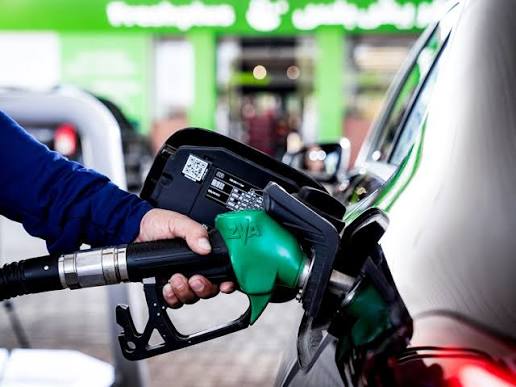
UAE motorists could see petrol prices **stabilise or potentially edge lower in September 2026** after global oil prices retreated in the final week of August.
However, cheaper petrol is **not confirmed yet**. The UAE Fuel Price Committee has not announced September’s official rates, and the final adjustment will depend largely on average international oil and refined-product prices during August rather than movements on a single trading day. ([Gulf News](https://gulfnews.com/business/energy/uae-fuel-prices-for-september-will-petrol-ease-as-oil-costs-fall-1.500652156?utm_source=chatgpt.com))
For drivers who have been paying considerably more at the pump this year, the latest fall in crude prices provides some hope of relief — but geopolitical uncertainty means the outlook remains finely balanced.
## **How Much Are UAE Motorists Paying in August?**
UAE petrol and diesel prices increased in August following renewed volatility in global energy markets.
Current August 2026 prices are:
**Super 98:** AED 3.60 per litre **Special 95:** AED 3.49 per litre **E-Plus 91:** AED 3.41 per litre **Diesel:** AED 3.80 per litre
For comparison, July prices were AED 3.40 for Super 98, AED 3.29 for Special 95 and AED 3.21 for E-Plus 91, while diesel stood at AED 3.60 per litre.
That means all four fuel categories increased by **20 fils per litre in August**. ([Gulf News](https://gulfnews.com/business/energy/uae-petrol-diesel-prices-for-august-2026-announced-1.500625679?utm_source=chatgpt.com))
## **Why Could September Prices Ease?**
The main reason is the recent decline in international oil prices.
Brent crude fell sharply in the final week of August. On August 25, Brent settled at **$88.58 per barrel**, down more than 3% for the session, as markets reacted to hopes of diplomatic progress and discussions involving a possible safe navigation corridor through the Strait of Hormuz. ([Reuters](https://www.reuters.com/business/energy/oil-prices-steady-investors-weigh-impact-expanded-us-sanctions-against-iran-2026-08-25/?utm_source=chatgpt.com))
The following day, prices continued falling, with Brent dropping towards the mid-$80s during trading. ([Reuters](https://www.reuters.com/world/asia-pacific/us-oil-prices-extend-losses-hopes-iran-oman-talks-strait-hormuz-2026-08-25/?utm_source=chatgpt.com))
This creates a more favourable backdrop for motorists ahead of September’s UAE fuel-price review.
## **But a September Price Cut Is Not Guaranteed**
This is where the picture becomes more complicated.
Although oil has fallen sharply in recent days, prices were higher during other parts of August.
Khaleej Times reported that the average Brent closing price during the first three-and-a-half weeks of August was approximately **$87.70 per barrel**, compared with around **$83.46 in July**. ([Khaleej Times](https://www.khaleejtimes.com/business/uae-petrol-prices-for-september-2026?amp=1&utm_source=chatgpt.com))
That matters because UAE fuel prices do not simply follow where Brent happens to be trading on the final day of the month.
The committee considers broader international market movements when setting the following month’s retail rates.
As a result, the late-August decline could help limit another increase, but it may not necessarily be enough to produce a significant reduction.
## **Why Did Oil Prices Fall?**
Oil markets have been reacting heavily to developments involving Iran and the Strait of Hormuz.
Recent discussions between Iran and Oman have raised hopes of establishing a temporary safe navigation corridor and clearing mines from the strategically important waterway.
The Strait of Hormuz is particularly important because roughly one-fifth of global oil flows through the route.
Any improvement in shipping conditions can reduce fears of supply disruption and place downward pressure on crude prices.
At the same time, geopolitical risks have not disappeared. New sanctions, military developments or further disruption to shipping could quickly push prices higher again. ([Reuters](https://www.reuters.com/world/asia-pacific/us-oil-prices-extend-losses-hopes-iran-oman-talks-strait-hormuz-2026-08-25/?utm_source=chatgpt.com))
## **Why UAE Petrol Prices Follow Global Oil**
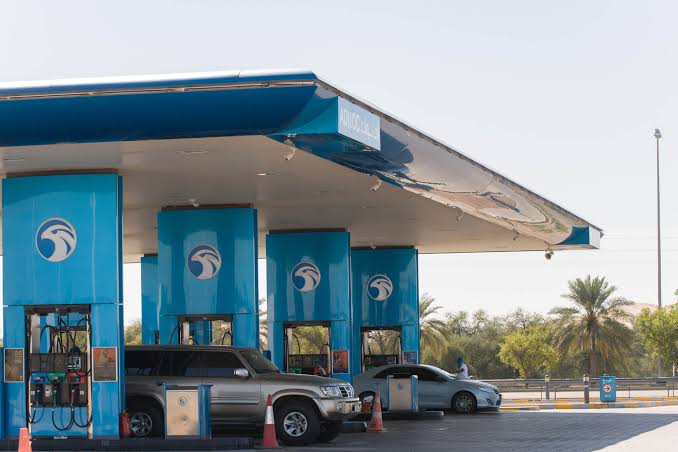
The UAE deregulated retail fuel prices in 2015.
Since then, petrol and diesel prices have been reviewed every month in line with international energy-market movements, while also accounting for operating and distribution costs.
This means UAE motorists can see prices rise or fall from one month to the next.
When global oil becomes significantly more expensive, the increase can eventually appear at UAE petrol stations.
When international prices fall and remain lower, motorists have a better chance of seeing cheaper fuel in subsequent monthly revisions.
## **How Much More Is Fuel Costing Compared With Earlier This Year?**
The difference remains significant.
In February 2026, motorists were paying:
**Super 98:** AED 2.45 per litre**Special 95:** AED 2.33 per litre**E-Plus 91:** AED 2.27 per litre**Diesel:** AED 2.72 per litre
By August, those prices had risen to AED 3.60, AED 3.49, AED 3.41 and AED 3.80 respectively. ([Gulf News](https://gulfnews.com/business/energy/uae-fuel-prices-for-september-will-petrol-ease-as-oil-costs-fall-1.500652156?utm_source=chatgpt.com))
For someone regularly filling a large fuel tank, that difference can add a noticeable amount to monthly driving expenses.
## **What Would a Small Price Drop Mean for Your Tank?**
Even a modest reduction can add up for frequent drivers.
If petrol falls by **10 fils per litre**, filling a 50-litre tank would cost AED 5 less.
A 20-fils reduction would save AED 10 on the same 50-litre refill.
That may sound small for one trip to the petrol station, but motorists who drive long distances between Dubai, Sharjah, Abu Dhabi or other emirates can feel the difference over an entire month.
## **When Will September UAE Fuel Prices Be Announced?**
The UAE Fuel Price Committee normally announces the following month’s petrol and diesel rates towards the end of the current month.
September 2026 prices are therefore expected to be announced around the end of August and will take effect from **September 1, 2026**.
Until the committee publishes the official figures, any predicted increase or decrease should be treated as an outlook rather than a confirmed price change.
## **Could Petrol Fall Back to Pre-Conflict Levels?**
Not immediately.
Brent has fallen considerably from the highs seen during the conflict, including levels above $120 per barrel, but it remains higher than the low-$70 range seen before the escalation.
Earlier in August, Gulf News estimated Brent was still around 15% to 20% above those pre-conflict levels despite having fallen roughly 30% from its peak. ([Gulf News](https://gulfnews.com/business/energy/when-will-uae-fuel-prices-return-to-pre-war-levels-what-motorists-can-expect-1.500630206?utm_source=chatgpt.com))
That means motorists hoping for petrol to quickly return to early-2026 prices may need to wait for a more sustained decline in international energy markets.
## **What UAE Drivers Should Watch Before September**
The biggest factor is whether Brent crude continues falling during the remaining days of August.
Developments in the Strait of Hormuz will also be important. Greater shipping activity and reduced disruption could ease supply concerns, while renewed conflict could quickly reverse the decline.
Motorists should therefore be cautious about claims that a September petrol-price cut is already confirmed.
The official UAE Fuel Price Committee announcement remains the figure that matters at the pump.
## **Why This Matters**
Fuel prices affect much more than the cost of filling a car.
They influence household transport budgets, delivery expenses, logistics businesses, taxis and companies operating vehicle fleets across the UAE.
After August’s 20-fils-per-litre increase across petrol grades and diesel, even a modest September reduction would provide some relief.
For now, the latest decline in oil prices has improved the outlook — but whether UAE motorists actually pay less from September 1 will depend on the final August market average and the Fuel Price Committee’s official decision.
## **Source Credits**
Information source and resource owners: UAE Fuel Price Committee, Gulf News, Khaleej Times, The National and Reuters.
Image sources are combined from AI-generated visuals and other platforms. For concerns email concerns@whatmatters.ae.