UAE Then vs Now: What Long-Term Residents Miss Most About the Old Days
By Eyad
The UAE of 2026 is almost unrecognisable compared with the country many long-term residents remember from the 1980s, 1990s and early 2000s.
Dubai and Abu Dhabi have grown into global cities, new neighbourhoods have risen from the desert, the Metro has transformed commuting, and destinations that once felt far outside town are now surrounded by communities.
But ask someone who has lived here for decades about the “old UAE” and the conversation quickly turns nostalgic.
It is not necessarily that life was better. It was simply different — quieter roads, smaller neighbourhoods, inexpensive cafeterias, familiar shopkeepers and weekends that often revolved around the beach, Creek or a drive into the desert.
Here are some of the things long-term UAE residents remember most.
## **1\. When Dubai Really Felt Like a Small Town**
Long before Downtown Dubai, Dubai Marina and sprawling residential communities, much of everyday Dubai life was concentrated around Deira, Bur Dubai, Satwa, Karama and Jumeirah.
Long-term residents interviewed over the years have recalled the “small-town feel” of Bur Dubai, where communities were tightly connected and everyday life happened within a relatively compact part of the city.
Historical photographs show just how different it was. In the early 1970s, Al Fahidi Street was already busy, but Dubai had so little road traffic that the city’s first traffic lights were still something of a novelty.
Today, Dubai stretches far beyond those original neighbourhoods, with entire communities occupying areas that were once open desert.
## **2\. Quiet Roads and Much Less Traffic**
This may be the memory that gets the biggest reaction from long-term residents.
Sheikh Zayed Road was once surrounded largely by desert. Dubai World Trade Centre, which opened in 1979, stood almost alone on the highway and was considered far outside the city’s main centre at the time.
There was no Dubai Marina traffic, no Downtown rush hour and no daily queues through many of today’s major residential areas because those communities simply did not exist yet.
For anyone currently sitting in Dubai-Sharjah rush-hour traffic, old photographs of nearly empty UAE roads can look almost unbelievable.
## **3\. Cheap Cafeteria Food and Pocket-Money Treats**
Before Dubai became one of the world’s biggest restaurant destinations, simple neighbourhood cafeterias were central to everyday life.
Long-term residents have recalled Dh1 falafels, inexpensive soft drinks, chocolates costing fils rather than dirhams and meals that required only a few dirhams of pocket money.
One resident who grew up in Bur Dubai remembered Dh1 falafels with a Shani drink and 50-fils chocolates as part of childhood in the city.
Karak, shawarma, samosas, falafel sandwiches and cafeteria juices remain part of UAE life today, but the prices — and the city around them — have changed considerably.
## **4\. Playing Outside Until It Got Dark**
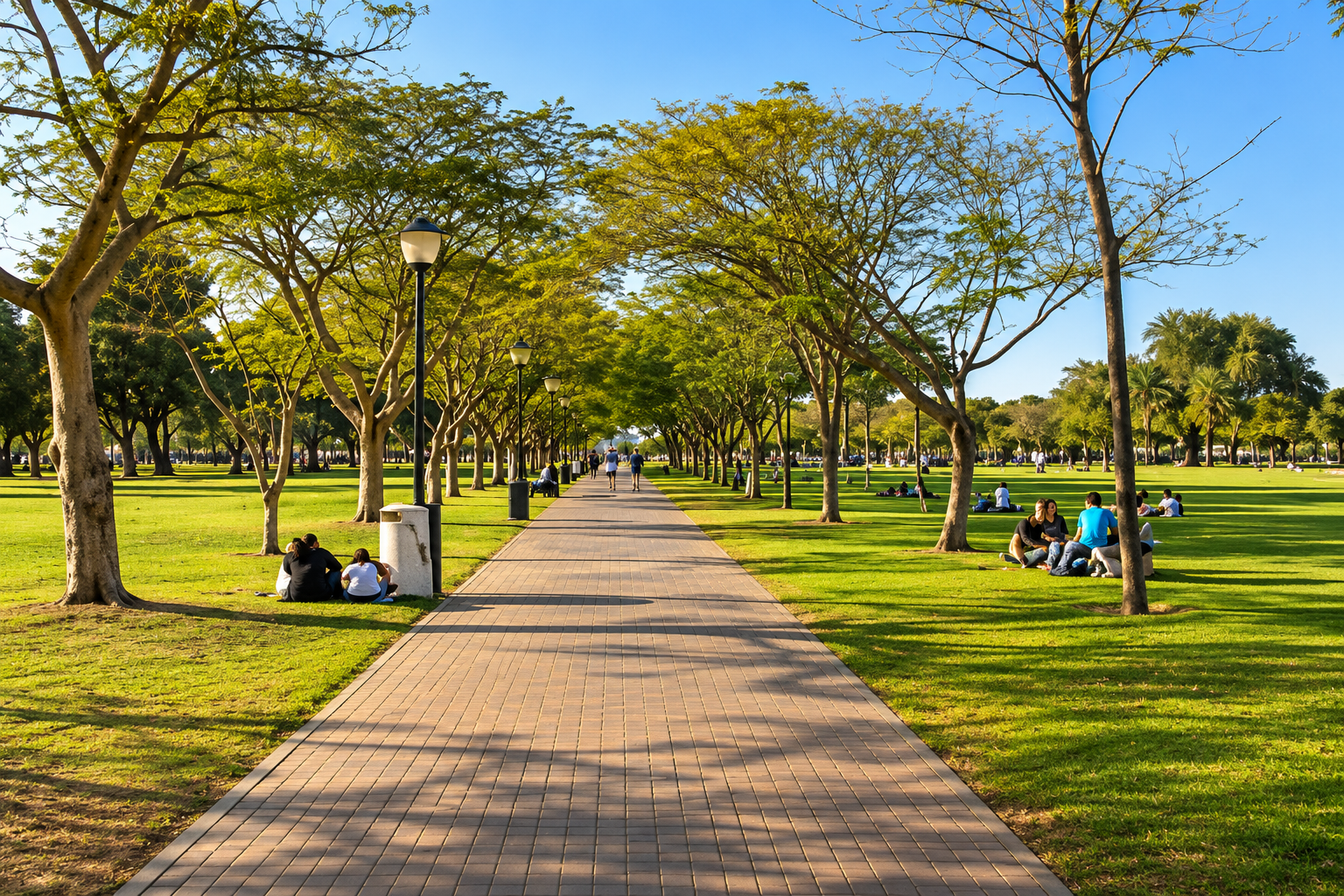
Before tablets, smartphones and indoor entertainment centres, neighbourhood streets often became playgrounds.
Children played cricket, football, throwball and traditional games in empty plots, alleyways and spaces between apartment buildings.
Long-term Dubai residents have specifically recalled playing cricket and “seven tiles” in the narrow sikkas between buildings.
Many of those empty plots have since become towers, roads, car parks and new developments.
The nostalgia is not only for the games themselves, but for a time when children could simply walk downstairs, find their neighbourhood friends and start playing.
## **5\. The Old Dubai Creek Experience**
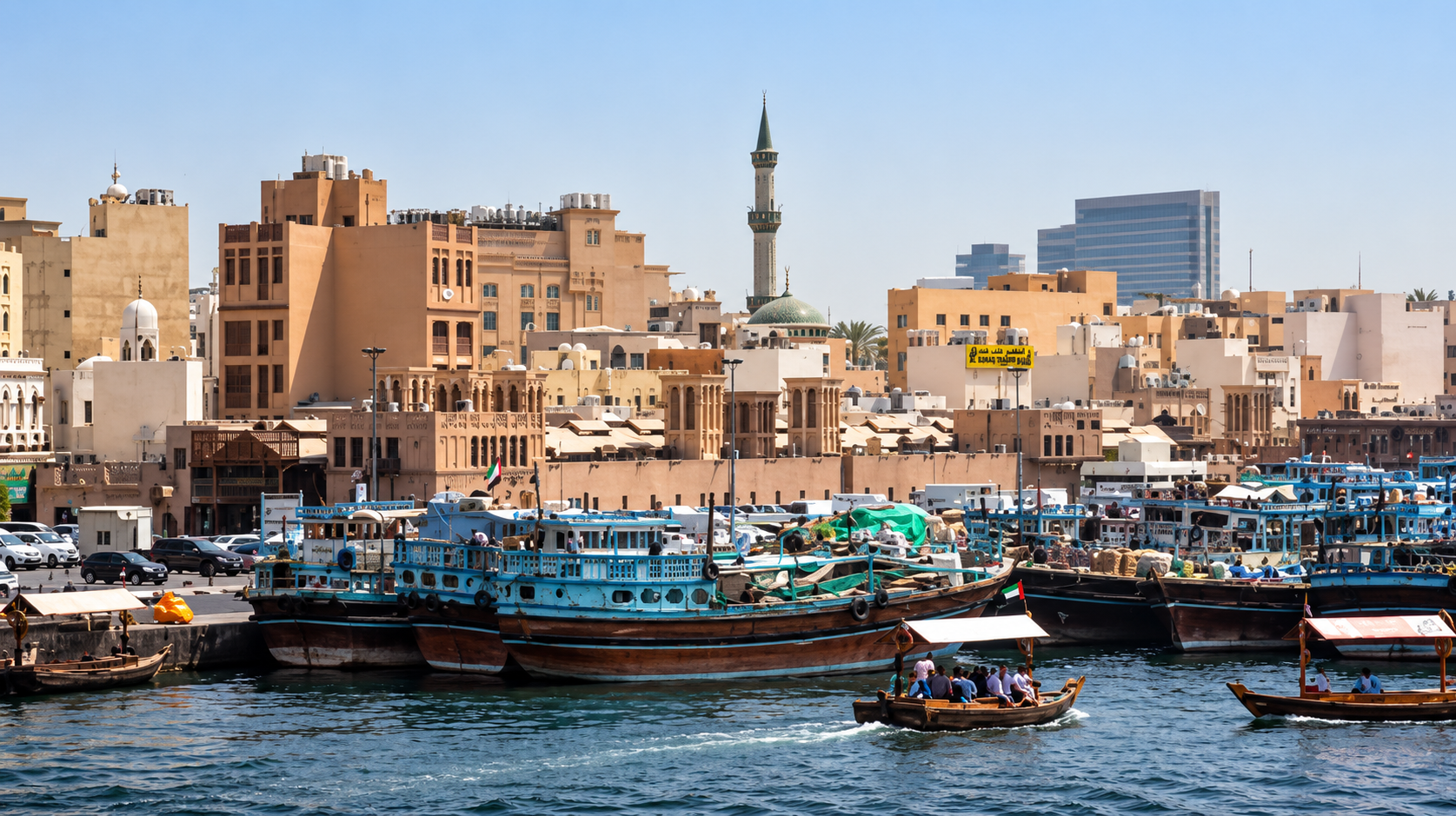
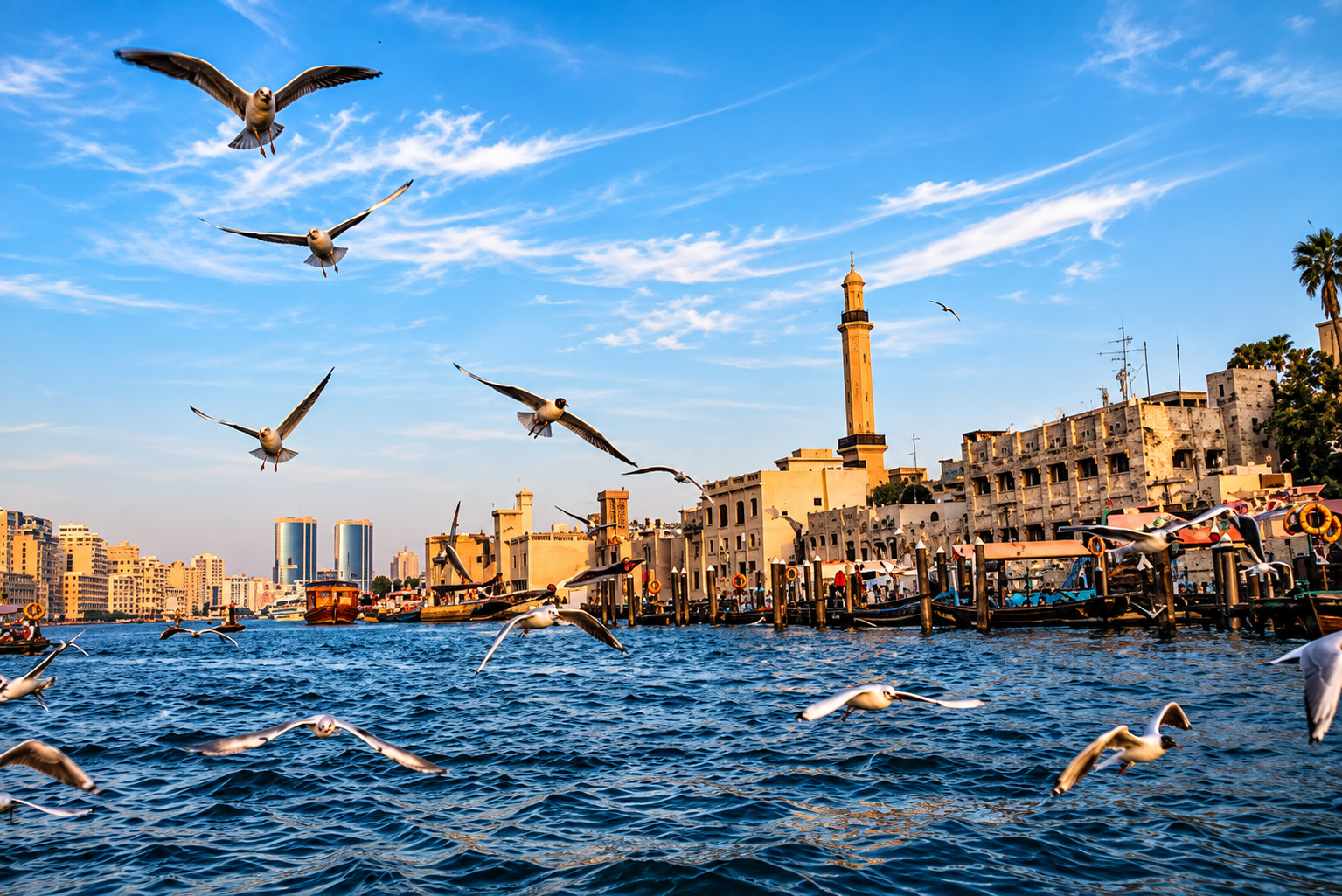
Dubai Creek is one of the places where residents can still find pieces of the city’s earlier identity.
Abras continue crossing between Deira and Bur Dubai, dhows remain along the waterfront and traditional souqs continue operating nearby.
Historical images from 1966 show the Creek filled with dhows, ships and abra taxis when it was at the heart of Dubai’s trading economy. Remarkably, parts of the scene remain recognisable today despite the enormous development surrounding it.
For long-term residents, an abra ride, the smell of the Spice Souk and the older streets around Bur Dubai and Deira can still trigger memories of a very different Dubai.
## **6\. Open Beaches Before the Mega Developments**
Some of today’s most famous destinations were once simply stretches of sand.
The area occupied today by Burj Al Arab, Wild Wadi and Madinat Jumeirah was once known informally as **Chicago Beach**.
By the 1970s, the area included Chicago Beach Hotel and a residential village of about 100 villas. Beyond developed areas, stretches of coastline and desert were much more open than they are today.
Long-time residents remember spontaneous beach trips, barbecues and drives where there were fewer hotels, beach clubs and developments along the coast.
## **7\. When Jumeirah Felt Far Away**
Today, Jumeirah is central Dubai.
Decades ago, moving from Bur Dubai towards Jumeirah could feel like leaving the city behind.
Even Dubai World Trade Centre was once considered outside town. Development subsequently pushed south along Sheikh Zayed Road, eventually producing neighbourhoods including Dubai Marina and major projects such as Palm Jumeirah.
Places that once required a drive through open land are now surrounded by towers, malls, schools, restaurants and residential communities.
For long-term residents, that change can make old distances particularly nostalgic.
## **8\. Old-School Shopping Before Mega Malls**
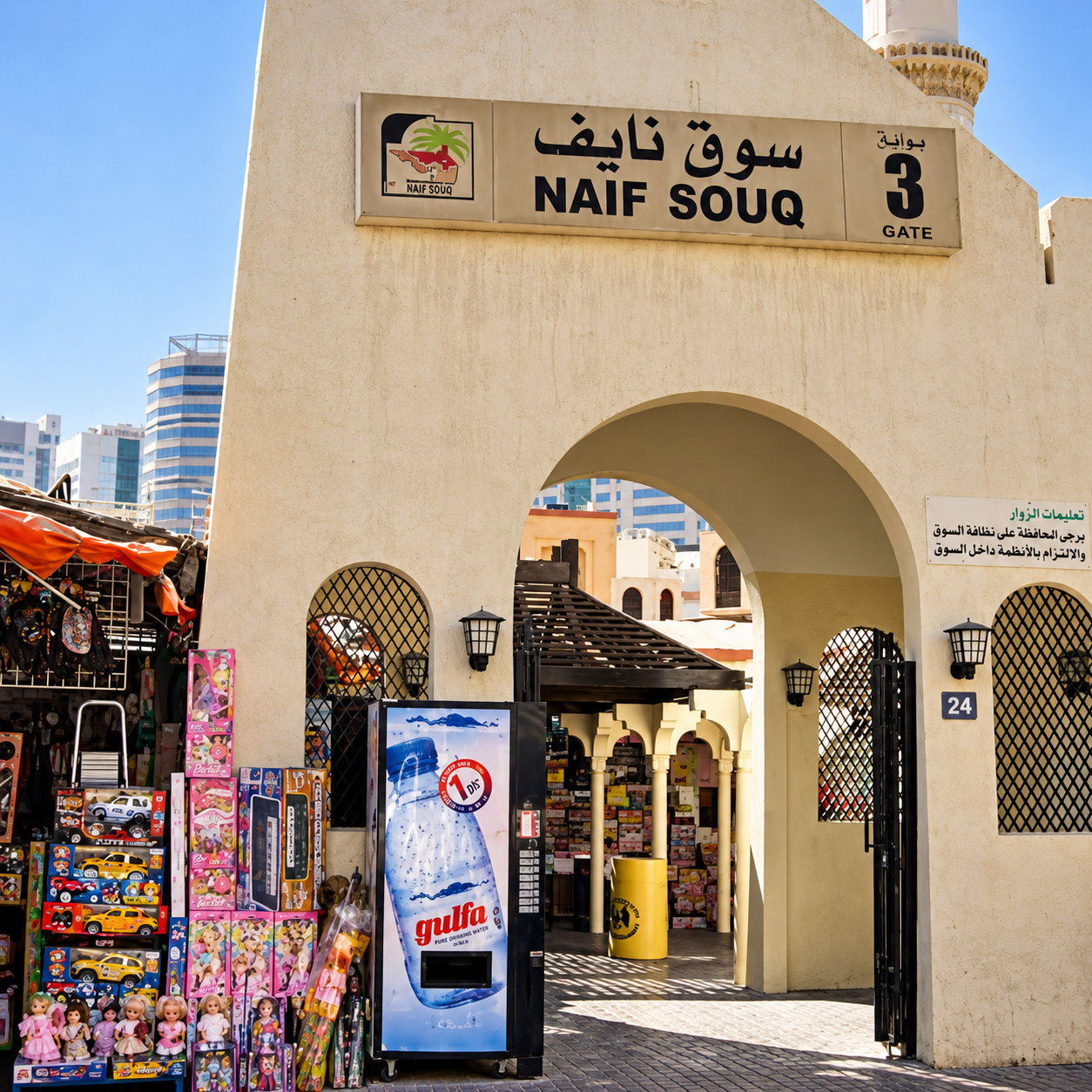
Shopping once meant neighbourhood groceries, souqs and independent stores rather than enormous malls.
A resident who arrived in Dubai in 1971 recalled buying groceries from K M Brothers and even getting bread from a van that arrived each evening.
Deira and Bur Dubai were major shopping destinations, with people travelling for electronics, textiles, gold, spices and everyday essentials.
Dubai Mall, Mall of the Emirates and countless community malls have completely transformed the shopping experience, but old neighbourhood shops still hold strong memories for residents who grew up here.
## **9\. Old Cinemas and Simpler Weekend Entertainment**
Before multiplex cinemas, giant entertainment centres and indoor theme parks, going to the cinema could itself feel like a major weekend event.
Dubai’s older cinemas became familiar landmarks within neighbourhood communities.
The Golden Cinema, later known as Plaza Cinema, stood in Bur Dubai before eventually closing in 2015 as entertainment habits and the cinema industry changed.
Today, UAE residents can choose between IMAX screens, indoor theme parks, VR experiences, waterparks and countless entertainment destinations.
The choice is much bigger, but some residents still miss the simplicity of the old weekend routine.
## **10\. When Everyone Seemed to Know Everyone**
Perhaps the strongest nostalgia is not about a building, restaurant or road at all.
It is about community.
Long-term residents often describe an older UAE where social circles overlapped, neighbours knew one another and familiar faces appeared repeatedly at schools, shops, restaurants and community events.
Dubai and Abu Dhabi had much smaller populations and fewer neighbourhoods, naturally creating tighter social networks.
As the cities expanded and became increasingly international, life became faster and communities became much larger.
For some long-term residents, this sense of familiarity is what they miss most.
## **Abu Dhabi Has Its Own “Then vs Now” Story**
The transformation is not limited to Dubai.
Old photographs of Abu Dhabi show a dramatically different Corniche, with fewer buildings and large areas of undeveloped land.
Over the decades, land reclamation and urban expansion added beaches, hotels, towers and entirely new districts. Development also spread beyond Abu Dhabi Island into areas including Khalifa City, Al Raha, Mohamed Bin Zayed City, Yas Island, Reem Island and Saadiyat Island.
Places such as Yas Island that are now major entertainment destinations looked completely different only a few decades ago.
## **What Hasn’t Changed?**
Despite all that development, parts of the old UAE remain.
Abras still cross Dubai Creek.
Traditional dhows still operate around Deira.
People still stop for karak after midnight.
Families still head to the desert when temperatures fall.
Neighbourhood cafeterias remain meeting points, and older districts such as Deira, Bur Dubai, Satwa and Karama continue to preserve a different rhythm from the newer parts of the city.
The UAE has changed enormously, but pieces of its earlier character are still visible if you know where to look.
## **Then vs Now Is Really About Memories**
Looking at the UAE then and now is not simply a comparison between empty desert and skyscrapers.
For people who have lived here for 20, 30 or 40 years, the transformation happened alongside their own lives.
The empty plot became an apartment tower. The quiet road became a highway. The small grocery became a supermarket. Children who played cricket between buildings grew up and watched their own children experience a completely different UAE.
That is why old photographs can generate such powerful nostalgia.
## **Why This Matters**
The UAE’s transformation is extraordinary precisely because so much of it has happened within living memory.
Dubai International Airport went from a small airport to a global aviation hub. Sheikh Zayed Road changed from a highway surrounded by desert into a skyscraper corridor. Abu Dhabi expanded far beyond the island city remembered by earlier generations.
Long-term residents may miss the quieter roads, inexpensive cafeteria food, open beaches and close-knit neighbourhoods.
But their memories also provide something increasingly valuable: a living record of what the UAE was like before the skyline became the one the world recognises today.
## Related Reads - [UAE Salary Trends 2026: What Expats Are Saying About Pay, Raises and the Cost of Living](/post/uae-salary-trends-2026-expats-saying-about-pay) - [New UPI Charges From October 15: What UAE NRIs Need to Know Before Paying](/post/new-upi-charges-october-15-uae-nris-need) - [UAE Moves to Secure Round-the-Clock Satellite View of Earth With Advanced Radar Network](/post/uae-moves-secure-round-clock-satellite-view-earth) - [Sharjah Unveils New Al Taawun Square Design as Major Traffic Upgrade Nears November Opening](/post/sharjah-unveils-new-al-taawun-square-design-major) - [More stories like this](/category/news)