What’s New in the UAE in September 2026? Etihad Rail Dubai Station, New Nafis Rules and More
By Thasmiya
September 2026 is bringing several important changes to life in the UAE, from a major expansion of the country’s passenger railway to revised salary-support rules for Emiratis working in the private sector.
One of the biggest dates is **September 30**, when Etihad Rail is scheduled to open its Dubai and Al Dhaid passenger stations as part of the national rail network’s phased rollout. Meanwhile, revised Nafis benefits begin taking effect during September, changing salary thresholds, family allowances and pension-support arrangements.
Here are the key September updates to know.
## **Etihad Rail’s Dubai station opens on September 30**
One of the UAE’s biggest transport milestones of the year arrives at the end of September.
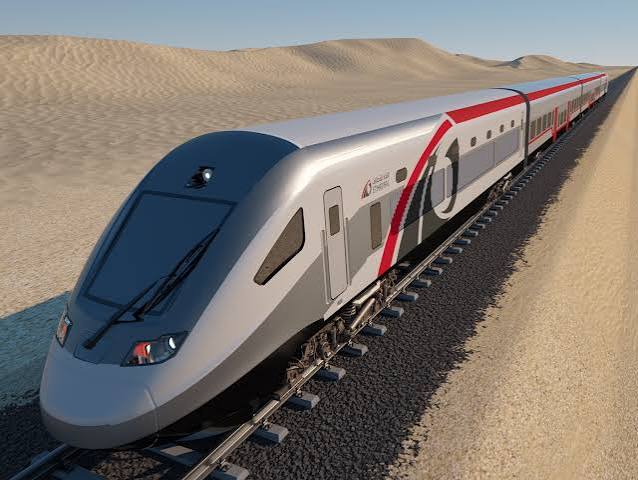
Etihad Rail is scheduled to open its **Dubai Train Station on September 30, 2026**, alongside the new Al Dhaid station.
Passenger rail operations initially began between Abu Dhabi and Fujairah on June 30. The September expansion will bring Dubai into the passenger network and significantly increase the usefulness of rail for inter-emirate travel.
The network will continue expanding after September, with Zayed City and Liwa stations scheduled for November 30, the remaining Al Dhafra stations on December 30 and Sharjah station on March 30, 2027.
## **What Etihad Rail means for Dubai residents**
The Dubai opening represents another alternative to driving between the emirates.
Etihad Rail says its passenger service provides guaranteed seating, complimentary Wi-Fi, charging ports at every seat and luggage space. Premium Class is also available.
For residents who regularly travel between Dubai, Abu Dhabi, Fujairah and eventually other parts of the country, the expanding network could make inter-emirate journeys more predictable and reduce dependence on private cars.
## **Al Dhaid station also opens in September**
Dubai is not the only new destination joining the railway.
**Al Dhaid Train Station in Sharjah emirate will also open on September 30**, connecting the Central Region with the growing passenger network.
Sharjah city’s own passenger station is scheduled to follow in March 2027.
## **Major Nafis salary-support changes begin**
September also marks an important change for Emiratis working in the UAE’s private and banking sectors.
The Emirati Talent Competitiveness Council has revised the Nafis programme following its extension to 2040.
For new beneficiaries, the updated framework introduces a standard **AED 6,000 minimum monthly salary** for salary-support eligibility, while the eligible salary generally cannot exceed AED 20,000.
## **New Nafis salary-support amounts**
Under the revised structure, maximum monthly salary support is based on educational qualification.
University graduates can receive up to **AED 6,000 per month**.
Diploma holders can receive up to **AED 5,000 per month**.
High-school graduates can receive up to **AED 4,000 per month**.
Those with qualifications below high school can receive up to **AED 4,000** if married or with children, or **AED 3,000** if unmarried with no children.
The minimum support amount under the scheme is AED 1,000.
## **What happens to existing Nafis beneficiaries?**
Existing beneficiaries are not all being moved to the new amounts immediately.
For people registered on or before August 14, 2026 who currently receive more than the revised amount, support will generally be reduced automatically by **AED 500 every six months** until it reaches the level set under the new framework.
Existing beneficiaries earning between AED 20,000 and AED 30,000 will similarly see their support reduced by AED 500 every six months until it reaches zero.
The broader transition for existing recipients can take place gradually over a period of up to three years.
## **Nafis support can stop if salary is below AED 6,000**
The AED 6,000 threshold is particularly important.
From September, existing beneficiaries working for private-sector or banking establishments covered by the minimum-wage requirement can have their Nafis salary support suspended if their gross salary remains below **AED 6,000 per month**.
Different transitional arrangements apply to eligible workers in free zones and other sectors where the AED 6,000 minimum-wage requirement does not apply.
## **AED 600 monthly allowance for every eligible child**
Another significant Nafis change concerns families.
From September, eligible Emiratis working in the private and banking sectors can receive **AED 600 per month for each eligible child**, with the previous upper limit on the number of children removed.
The beneficiary’s monthly salary must not exceed **AED 50,000**.
For male children, the allowance generally continues until age 21 or until they begin working. For female children, it continues until marriage or employment, subject to the programme’s other eligibility conditions.
## **Nafis expands support to more families**
The revised programme also expands salary support to additional family categories.
Children of Emirati mothers working in the private sector may qualify for financial support of up to **AED 3,000 per month**, subject to eligibility requirements.
Eligible wives of Emirati men working in the private sector may also receive up to **AED 3,000 per month** under the expanded framework.
The exact salary, education, employment and family requirements differ between these programmes, so applicants should verify their eligibility through the official Nafis platform.
## **Employers take greater responsibility for pension contributions**
September also changes how the Nafis **Eshtirak** pension-contribution programme works.
Nafis will continue supporting eligible pension and social-security contributions, but the programme will no longer cover the employer’s prescribed share.
Private-sector employers will be responsible for paying their full required employer contribution for eligible Emirati employees.
This is intended to move more of the long-term responsibility for Emirati employment benefits back to private-sector employers.
## **UAE schools begin the new academic year**
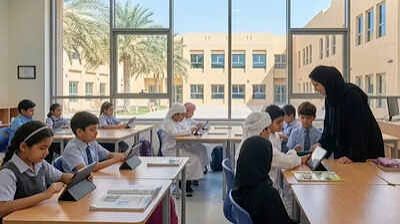
September also marks the full return of students for the **2026–27 academic year**.
The Ministry of Education announced a phased return from **August 31 to September 3**, with schools deciding which year groups attend during the transition period and using reduced hours for participating students.
Full student attendance is scheduled to resume from **Friday, September 4**.
For families, that means the first week of September will bring the full return of school traffic, buses and regular morning commuting patterns.
## **Another tax change takes effect September 1**
A separate UAE excise-tax change also takes effect on **September 1, 2026**, introducing a minimum excise price for liquids used in electronic smoking devices.
The new minimum excise price is **AED 1 per millilitre** for applicable liquids under the revised rules.
This is primarily a regulatory and taxation change affecting the relevant industry and consumers rather than a general cost-of-living measure.
## **September 2026 at a glance**
For residents, the biggest September dates are straightforward: **September 1** brings the rollout of revised Nafis rules and the new excise-tax measure; the first week sees students return fully to school; and **September 30** brings the official opening of Etihad Rail’s Dubai and Al Dhaid stations.
Of these developments, Etihad Rail is likely to have the broadest long-term impact on everyday mobility, while the Nafis reforms are particularly important for Emirati employees and private-sector employers.
## **Why this matters**
September 2026 is shaping up to be an important month for the UAE’s transport, employment and family-support landscape.
Etihad Rail’s arrival in Dubai moves the country closer to a genuinely connected national passenger railway, giving residents another way to travel between emirates.
At the same time, the revised Nafis framework changes how salary support is calculated and expands family benefits while placing greater responsibility on employers.
For residents, employees and businesses, knowing the dates and eligibility rules early can make the transition into September much easier.
## **Source Credits**
Information source and resource owners: Etihad Rail, Emirati Talent Competitiveness Council, Nafis, Ministry of Human Resources and Emiratisation, Ministry of Education, Federal Tax Authority, Gulf News and Khaleej Times.
Image sources are combined from AI-generated visuals and other platforms. For changes email concerns@whatmatters.ae.
The key dates and figures above are confirmed by Etihad Rail and official Nafis/ETCC sources: Dubai and Al Dhaid stations are scheduled for **September 30, 2026**, while the revised Nafis framework begins in **September 2026**, including the AED 6,000 minimum salary threshold and updated salary-support structure.