When Will the UAE’s Peak Summer End? August 24 Marks the Turning Point
By Mohammed
UAE residents counting down to cooler days have an important date to watch: **August 24**.
That is when **Suhail, also known as Canopus, traditionally rises in the UAE’s pre-dawn sky**, marking the beginning of the end of the most intense summer heat. It does not mean temperatures suddenly become cool overnight, but it signals the start of a gradual seasonal transition.
## **Why August 24 matters**
In traditional Gulf astronomy, the hottest stretch of summer is known as **Al Qayz**.
According to the Emirates Astronomy Society, this period begins to ease during the final third of August as Suhail appears. Its rising has been used for generations across the Arabian Peninsula as a seasonal marker for changing weather, agriculture, fishing and travel.
The important point is that Suhail does **not cause** cooler weather. Its appearance simply coincides with natural seasonal changes caused by Earth’s movement around the Sun.
## **Will it suddenly become cooler after August 24?**
No.
Residents should not expect to wake up on August 25 to dramatically lower daytime temperatures.
The change is gradual. After Suhail rises, the angle of the Sun begins to decrease, days slowly become shorter and late-night temperatures begin easing. Historically, this period is associated with slightly cooler nights even while daytime heat remains intense.
Temperatures above 40°C can still continue well into September.
## **The first noticeable change may come at night**
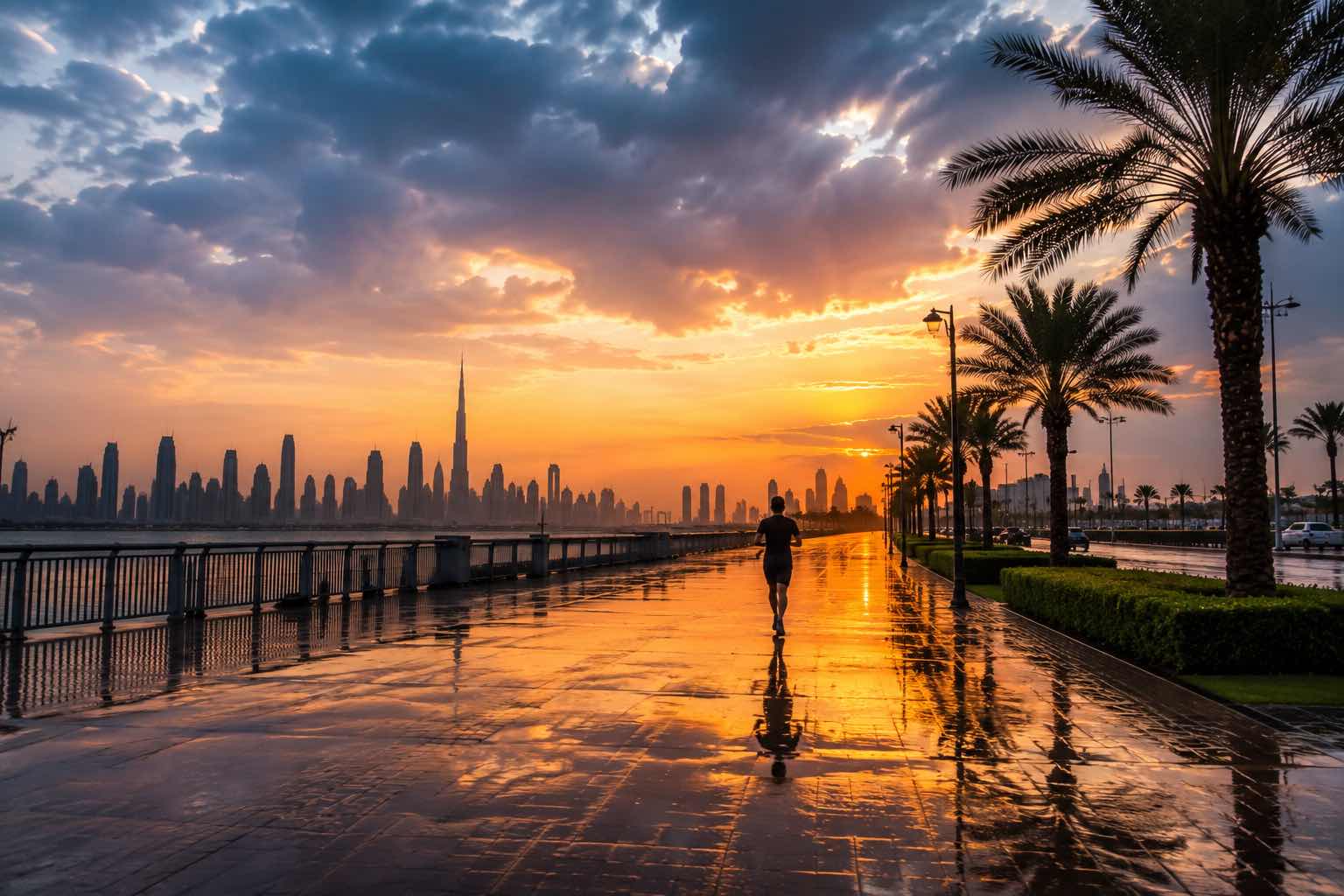
One of the earliest signs of the seasonal transition is usually a reduction in late-night heat.
As the Sun’s angle gradually decreases, the ground has more time to cool overnight. This can make evenings and early mornings feel slightly more tolerable than during the peak summer weeks.
However, increased nighttime humidity may also accompany the transition, particularly in coastal areas.
## **What happens after Suhail appears?**
The arrival of Suhail traditionally begins a transitional period sometimes known as **Al Safri or Sufriya**.
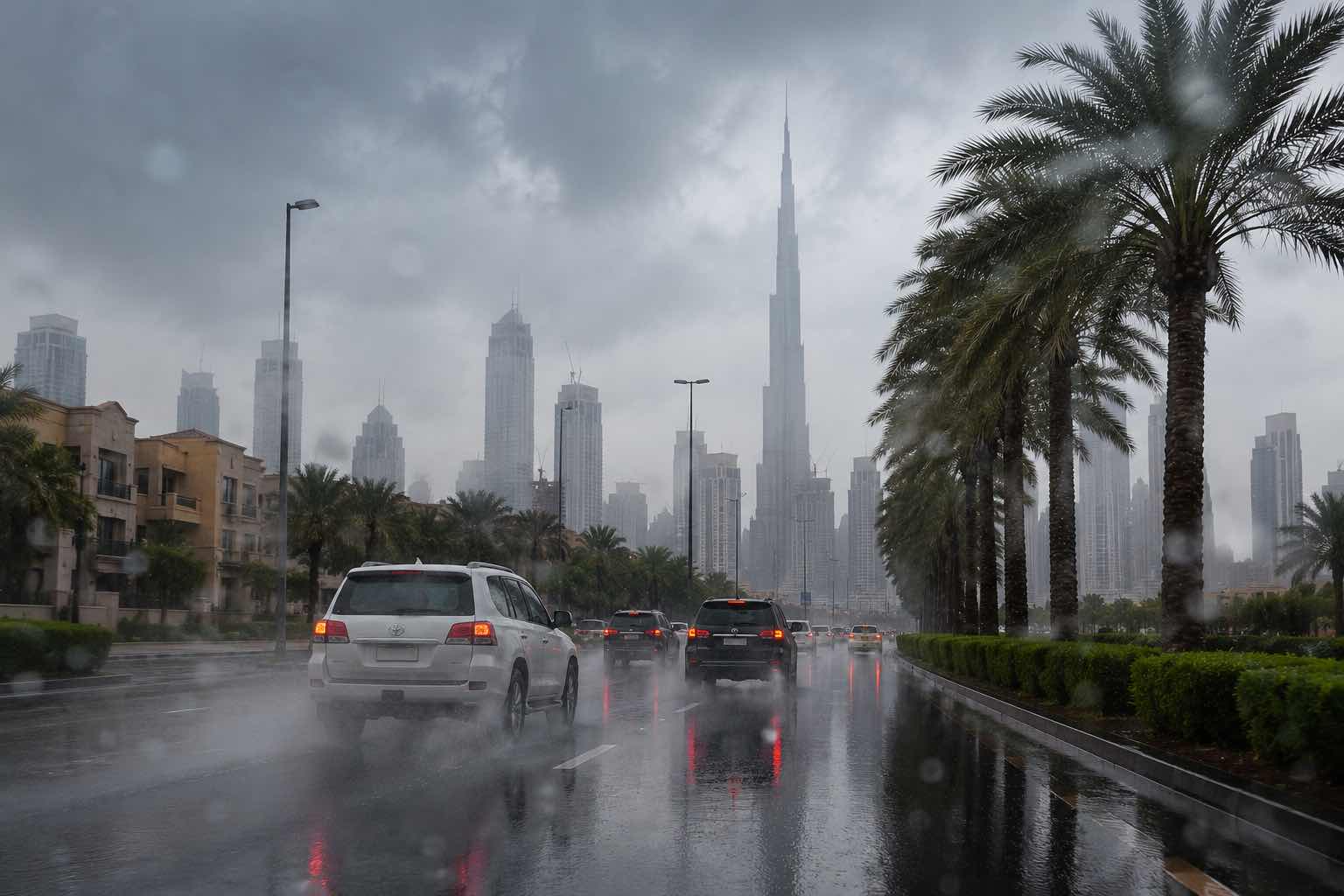
This lasts for around 40 days and is characterised by changing weather rather than immediately cool conditions. Temperatures can fluctuate, humidity may rise and eastern areas may continue experiencing thunderstorms and local rainfall.
More stable and comfortable conditions typically develop later in the season.
## **When will the UAE actually feel cooler?**
For residents waiting for genuinely comfortable outdoor weather, the answer is later than August.
Astronomy expert Ibrahim Al Jarwan has said that more noticeable relief generally arrives around **mid-October**, when temperatures become increasingly moderate.
That is when evenings begin feeling significantly more comfortable and outdoor activities become easier.
## **When does summer officially end?**
There are different ways to define the end of summer.
Meteorologically, September is considered the first month of autumn.
Astronomically, the UAE’s summer officially ends with the **autumnal equinox around September 23**, when the Sun crosses the equator and day and night become approximately equal in length.
So the key dates are:
- **August 24:** Suhail rises and peak summer begins easing - **September:** Meteorological autumn begins - **Around September 23:** Astronomical autumn begins - **Mid-October:** More noticeable comfortable weather usually develops
## **What exactly is Suhail?**
Suhail is the Arabic name commonly associated with **Canopus**, one of the brightest stars visible from Earth.
It is the second-brightest star in the night sky after Sirius and is located in the southern constellation Carina.
Its seasonal appearance has been used for centuries by people across the Arabian Peninsula as a natural calendar.
## **Why was Suhail important historically?**
Before modern weather forecasting, communities relied heavily on stars and seasonal observations.
The appearance of Suhail helped people anticipate changes affecting:
- Farming - Fishing - Pearl diving - Sea travel - Animal grazing - Bird migration - Planting seasons
Its arrival was therefore more than an astronomical event; it was an important practical marker in everyday Gulf life.
## **Does the sea cool after Suhail?**
Sea temperatures also begin gradually decreasing as the season progresses.
Historically, fishermen associated Suhail’s appearance with the return of larger numbers of fish closer to the coastline as Gulf waters started cooling.
The change is gradual and depends on broader weather and sea conditions.
## **What about humidity?**
Humidity does not necessarily disappear when peak summer begins easing.
In fact, coastal areas can continue experiencing high humidity during late August and September, especially overnight and during early mornings.
As the seasonal transition continues, fog, mist and dew also become more common in some parts of the UAE.
This means residents may experience slightly lower temperatures while still dealing with uncomfortable humidity.
## **Will rain become more likely?**
Eastern UAE can continue seeing afternoon cloud formation and rainfall during the transition out of peak summer.
Moist south-easterly winds interacting with the Hajar Mountains can encourage convective cloud development, particularly around Fujairah, Ras Al Khaimah, Al Ain and surrounding inland areas.
September can also bring thunderstorms and varying intensities of rain over eastern and internal regions.
## **Why summer feels so long in the UAE**
The UAE’s summer transition is gradual rather than sudden.
Even after the strongest solar heating begins easing, the land, sea and atmosphere retain large amounts of heat accumulated during June, July and August.
This is why September can still feel extremely hot despite being classified meteorologically as autumn.
The real shift towards outdoor-friendly weather generally happens much later.
## **When can residents expect outdoor season to return?**
By **mid-October**, evenings usually become noticeably more manageable.
Night temperatures continue dropping through October and November, while daytime temperatures generally become progressively more comfortable.
This is when activities such as:
- Desert trips - Outdoor dining - Beach evenings - Camping - Hiking - Outdoor events
begin returning across the UAE.
## **Why this matters**
August 24 is best understood as a **turning point rather than the end of summer**.
The appearance of Suhail traditionally signals that the worst of the extreme summer heat is beginning to ease, but residents should still expect several more weeks of hot and humid conditions.
For anyone counting down to cooler UAE weather, the timeline is gradual: late August brings the first seasonal shift, September marks the start of autumn, and mid-October usually brings the more noticeable relief everyone is waiting for.
## **FAQs**
### **Does UAE summer end on August 24?**
Not officially. August 24 traditionally marks the rise of Suhail and the beginning of the decline in peak summer heat.
### **Will temperatures drop immediately after August 24?**
No. Temperatures decrease gradually over the following weeks, with late-night conditions often improving first.
### **When does autumn officially start in the UAE?**
Astronomical autumn begins around **September 23** with the autumnal equinox.
### **When will the UAE weather actually feel pleasant?**
More significant relief is generally expected around **mid-October**, although exact temperatures vary each year.
### **What is Suhail?**
Suhail, or Canopus, is the second-brightest star in the night sky and an important traditional seasonal marker across the Arabian Peninsula.
### **Does Suhail actually cause cooler weather?**
No. Its appearance simply coincides with seasonal changes caused by Earth’s orbit and the gradually decreasing angle of the Sun.
### **Will September still be hot?**
Yes. September can remain very hot and humid even though peak summer has begun easing.
### **When does the UAE’s outdoor season usually begin?**
Outdoor conditions generally become much more comfortable from mid-October onwards, continuing to improve through November.
## **Source Credits**
Information source and resource owners: Emirates Astronomy Society, Ibrahim Al Jarwan, International Astronomical Center, National Centre of Meteorology and Gulf News.
## **Image Credits**
Image sources are combined from AI-generated visuals and other platforms. If any owner wants to be mentioned or any content needs to be changed, please email us at **concerns@whatmatters.ae**.