WHOOP vs Google Fitbit Air: Which Screenless Fitness Tracker Is Better for Health, Sleep and Recovery?
By Chris
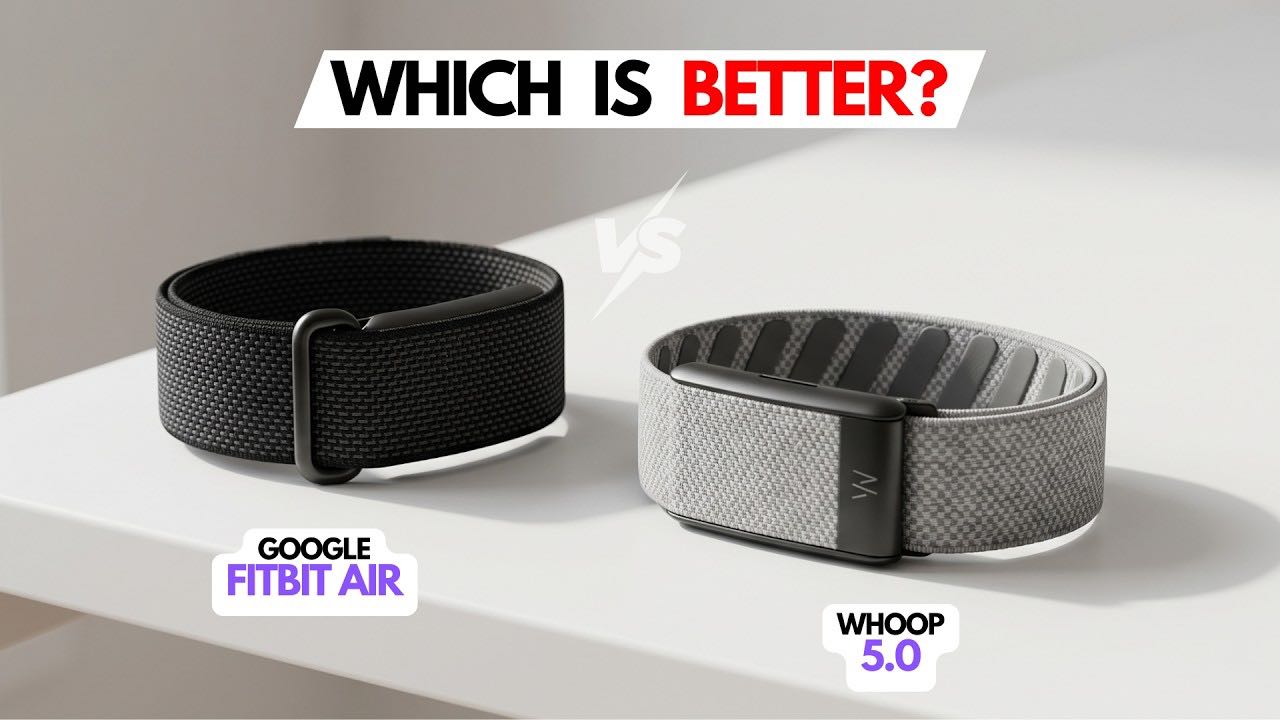
Screenless fitness trackers are becoming a major trend in wearable technology. Instead of acting like smartwatches with notifications, apps and bright displays, devices like **WHOOP** and **Google Fitbit Air** focus on health tracking, sleep, recovery and fitness insights without distracting the user.
For people who want to track their body without constantly looking at a screen, both WHOOP and Google Fitbit Air offer strong options. But they are built for slightly different users.
[WHOOP](https://www.whoop.com/) is known for serious recovery, strain and performance tracking, while [Google Fitbit Air](https://blog.google/products-and-platforms/devices/fitbit/fitbit-air/) brings Fitbit’s health-tracking experience into a lighter, more affordable and simpler screenless device.
## What is WHOOP?
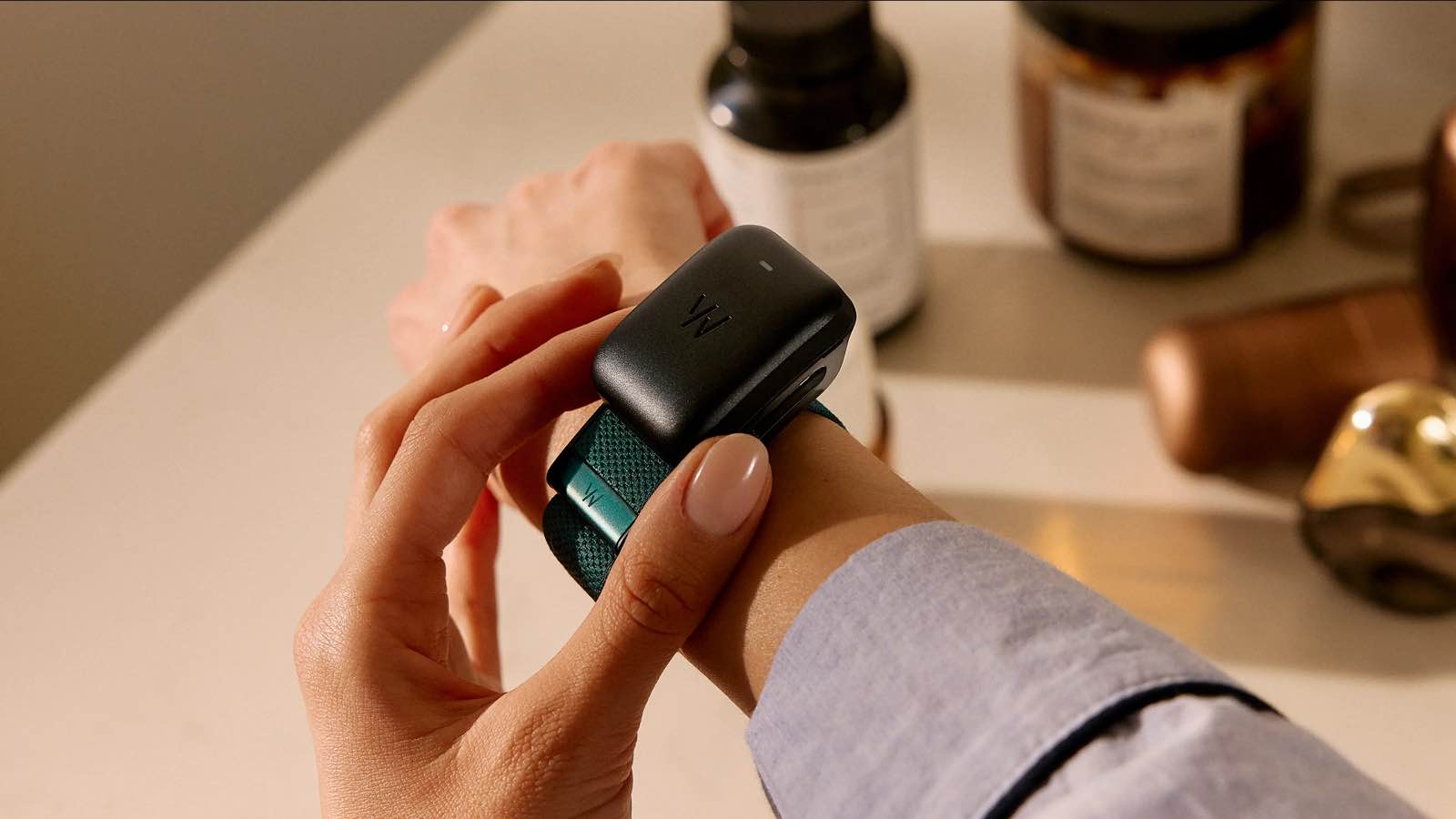
WHOOP is a subscription-based health and fitness wearable designed for people who want detailed body data.
Unlike a smartwatch, WHOOP does not have a screen. It is meant to be worn all day and night to track recovery, sleep, strain, heart rate, heart rate variability, respiratory rate, skin temperature and other body signals.

The latest WHOOP 5.0 and WHOOP MG models are focused on performance, recovery and long-term health. WHOOP is especially popular among athletes, gym users, runners, fitness professionals and people who want a deeper understanding of how their lifestyle affects their body.
WHOOP’s biggest strength is that it turns health data into daily guidance. It tells users when they may be ready to train harder, when they may need more recovery, and how sleep or habits affect performance.
## What is Google Fitbit Air?

Google Fitbit Air is Google’s new screenless Fitbit tracker, designed for lightweight, comfortable and distraction-free health tracking.
It is smaller and simpler than a smartwatch, with no screen and no notification-heavy experience. Instead, it tracks health and fitness data in the background and sends insights to the [Google Health](https://blog.google/products-and-platforms/products/google-health/google-health-app/) app.
Fitbit Air tracks heart rate, sleep, fitness activity and other wellness metrics. It also supports automatic workout detection and offers up to a week of battery life. Google positions it as an affordable tracker for people who want health insights without wearing a bulky smartwatch.

The biggest advantage of Fitbit Air is accessibility. It starts at a lower price than WHOOP and does not require a mandatory subscription for basic tracking, although Google Health Premium unlocks more advanced coaching and AI-powered insights.
## Benefits of WHOOP
WHOOP is best for users who want deep performance and recovery data.
Its main benefits include:
- Advanced recovery tracking - Daily strain score - Detailed sleep coaching - Long battery life - 24/7 heart and body monitoring - Strong app-based insights - Designed for athletes and serious fitness users - Can be worn on different parts of the body with accessories - WHOOP MG offers more advanced health-focused features
WHOOP is useful for people who train regularly and want to understand when to push harder and when to rest. It is also helpful for people who want to connect daily habits such as sleep, alcohol, stress or late meals with recovery data.
## Benefits of Google Fitbit Air
Google Fitbit Air is better for users who want simple health tracking without a complicated fitness system.
Its main benefits include:
- Lightweight screenless design - More affordable starting price - No mandatory subscription for basic use - Up to one week of battery life - Heart rate and sleep tracking - Automatic workout detection - Works with Google Health app - Comfortable for all-day and sleep tracking - Good for users who do not want smartwatch distractions
Fitbit Air is a good option for everyday users who want to understand their sleep, steps, heart rate and activity without paying for a premium athlete-focused system.
## What makes WHOOP different?
The biggest difference is that WHOOP is built around recovery and performance coaching.
WHOOP is not trying to be a budget fitness band. It is designed for users who want more advanced analysis, especially around training strain, sleep quality and recovery readiness.
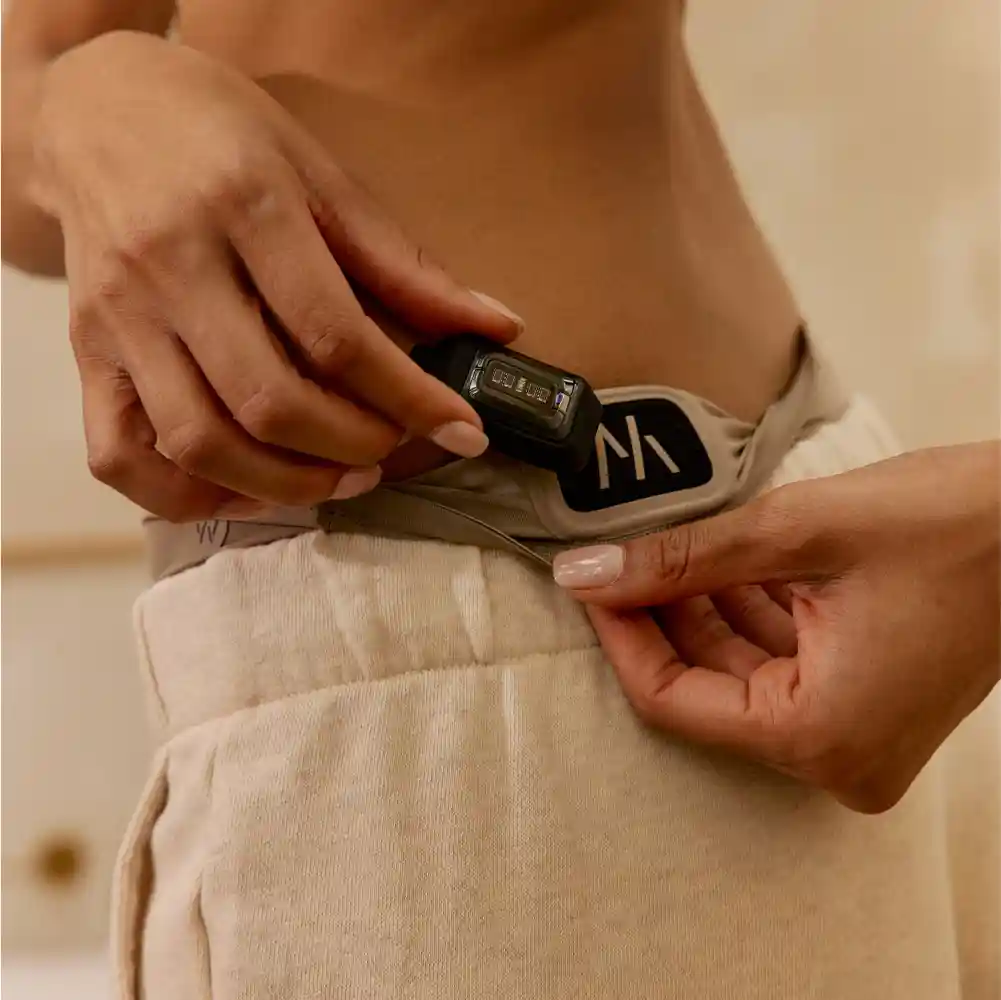
WHOOP also has a stronger accessory ecosystem. Users can wear it on the wrist, bicep, or even inside compatible clothing. This makes it useful for sports where wrist-based wearables may be uncomfortable.
Another key difference is the subscription model. WHOOP is heavily tied to its membership plans, meaning users are paying for the insights and software experience as much as the hardware.
## What makes Google Fitbit Air different?
Google Fitbit Air is different because it brings a simpler, more affordable version of screenless health tracking to the market.
It is designed for people who want less noise, fewer distractions and a lower entry price. Unlike WHOOP, Fitbit Air can still be useful without a mandatory subscription.
Its strength is simplicity. Users who are not athletes can still benefit from heart rate tracking, sleep monitoring and activity summaries without feeling overwhelmed by too much data.
Fitbit Air also benefits from Google’s ecosystem. The device connects with the Google Health app, which is becoming Google’s main wellness platform for health data, fitness tracking and AI-powered coaching.
## What do WHOOP and Fitbit Air have in common?
Both WHOOP and Google Fitbit Air are screenless trackers.
They are designed to be worn continuously and focus more on health data than smartwatch features. Neither is primarily built for checking messages, taking calls or using apps on the wrist.
Common features include:
- Screenless design - 24/7 health tracking - Sleep monitoring - Heart rate tracking - App-based insights - Recovery or readiness-style guidance - Distraction-free wearable experience - Long battery life compared to many smartwatches
Both devices are made for people who want to understand their body better without constantly interacting with a watch screen.
## WHOOP vs Fitbit Air: Which one is better for sleep tracking?
WHOOP is likely better for users who want deeper sleep and recovery analysis.
It is designed around sleep debt, recovery score, strain and readiness. For athletes or people trying to improve performance, WHOOP’s sleep coaching may feel more advanced.
Fitbit Air, however, should be enough for general sleep tracking. It is lightweight, comfortable and designed to be worn overnight. For everyday users who simply want to monitor sleep quality and patterns, Fitbit Air may be more practical.
## WHOOP vs Fitbit Air: Which one is better for workouts?
WHOOP is better for serious training and recovery planning.
It helps users understand how hard they trained and whether their body is ready for more intensity. This makes it useful for athletes, runners, CrossFit users, gym-goers and people following structured training plans.
Fitbit Air is better for casual fitness tracking. It can track activity and workouts, but it is more focused on simple health monitoring than deep athletic performance.
## WHOOP vs Fitbit Air: Which one is better value?
Fitbit Air is the better value for most casual users.
It has a lower entry price and does not require a mandatory subscription for basic tracking. This makes it more attractive for people who want health data without a long-term membership commitment.
WHOOP offers more advanced insights, but it becomes more expensive because it is built around membership plans. For serious users, that cost may be worth it. For casual users, it may feel too much.
## Which one should you buy?
Choose **WHOOP** if you:
- Train seriously - Want advanced recovery insights - Care about strain and performance scores - Want detailed sleep coaching - Do not mind paying for a subscription - Prefer a wearable built for athletes and high-performance users
Choose **Google Fitbit Air** if you:
- Want a more affordable tracker - Prefer simple health and sleep tracking - Do not want a smartwatch screen - Want basic features without a required subscription - Are a casual user, beginner or everyday wellness tracker - Already use Google or Fitbit health services
## My opinion: which is better?
In my opinion, **WHOOP is better for serious fitness and performance tracking**, while **Google Fitbit Air is better for most everyday users**.
If the user is an athlete, regular gym-goer or someone who wants deep recovery data, WHOOP is the stronger choice. Its recovery, strain and sleep coaching system is more advanced and better suited for people who want to optimise performance.
But if the user simply wants to track sleep, heart rate, workouts and daily health without spending too much, Google Fitbit Air is the smarter option. It gives the benefits of screenless tracking at a more accessible price and with less commitment.
For most people, **Google Fitbit Air is the better buy**. For serious athletes and data-driven fitness users, **WHOOP is the better tool**.
## Final takeaway
WHOOP and Google Fitbit Air both show where fitness wearables are heading: less screen time, more health data and better body awareness.
WHOOP is the premium performance tracker. Fitbit Air is the simple, affordable health tracker.
The better choice depends on the user’s lifestyle. If performance matters most, choose WHOOP. If simplicity, comfort and value matter more, choose Google Fitbit Air.
## Source Credits
Information source/resource owners: WHOOP, Google, Google Health, Fitbit, TechRadar, Android Central, Men’s Health, Wired.
## Image Credits
Image credit/resource owners: Google, WHOOP.