Why Matcha Is Not Slowing Down This Summer
By Thasmiya
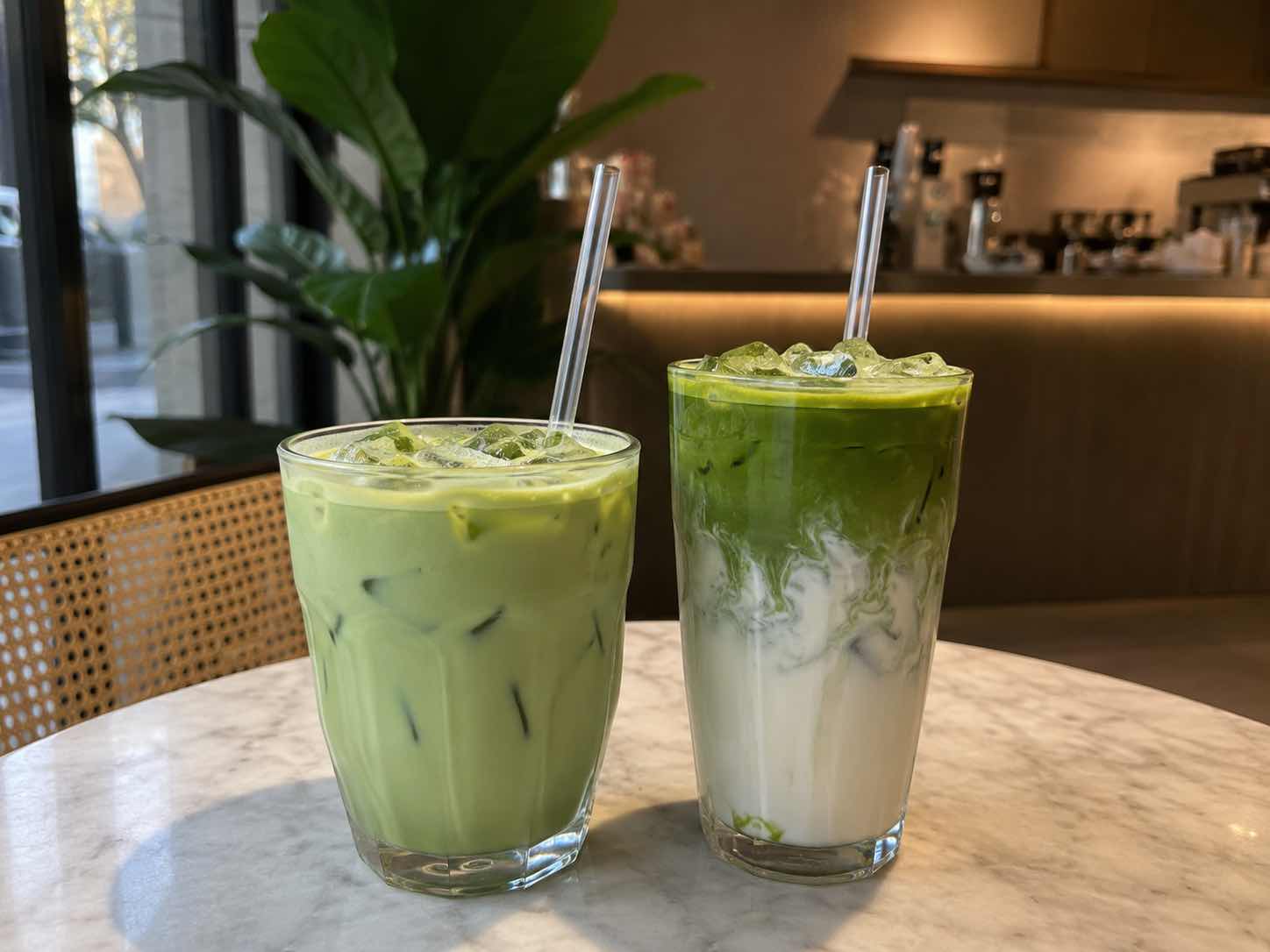
Matcha has moved far beyond being a passing café trend. This summer, the bright green drink remains one of the most visible beverages across Dubai and the wider UAE, appearing in iced lattes, fruit-based drinks, desserts and increasingly creative café menus.
Its staying power comes from a combination of visual appeal, customisation, café culture and growing interest in alternatives to traditional coffee. What began as a niche Japanese tea has evolved into a global lifestyle product, particularly among younger consumers.
## **Iced matcha fits the summer perfectly**
Matcha works particularly well as a cold drink, which helps explain why demand remains strong during the UAE’s hottest months.
Cafés are serving it over ice with milk, coconut water, cold foam and fruit flavours such as strawberry, mango and blueberry. These variations make matcha feel lighter and more refreshing than a hot coffee while still offering a caffeinated option.
Dubai’s café scene has embraced this flexibility, with menus featuring everything from classic iced matcha lattes to layered fruit creations and matcha-based desserts.
## **Matcha is highly customisable**
One of matcha’s biggest advantages is that it can be adapted to different tastes.
Customers can choose:
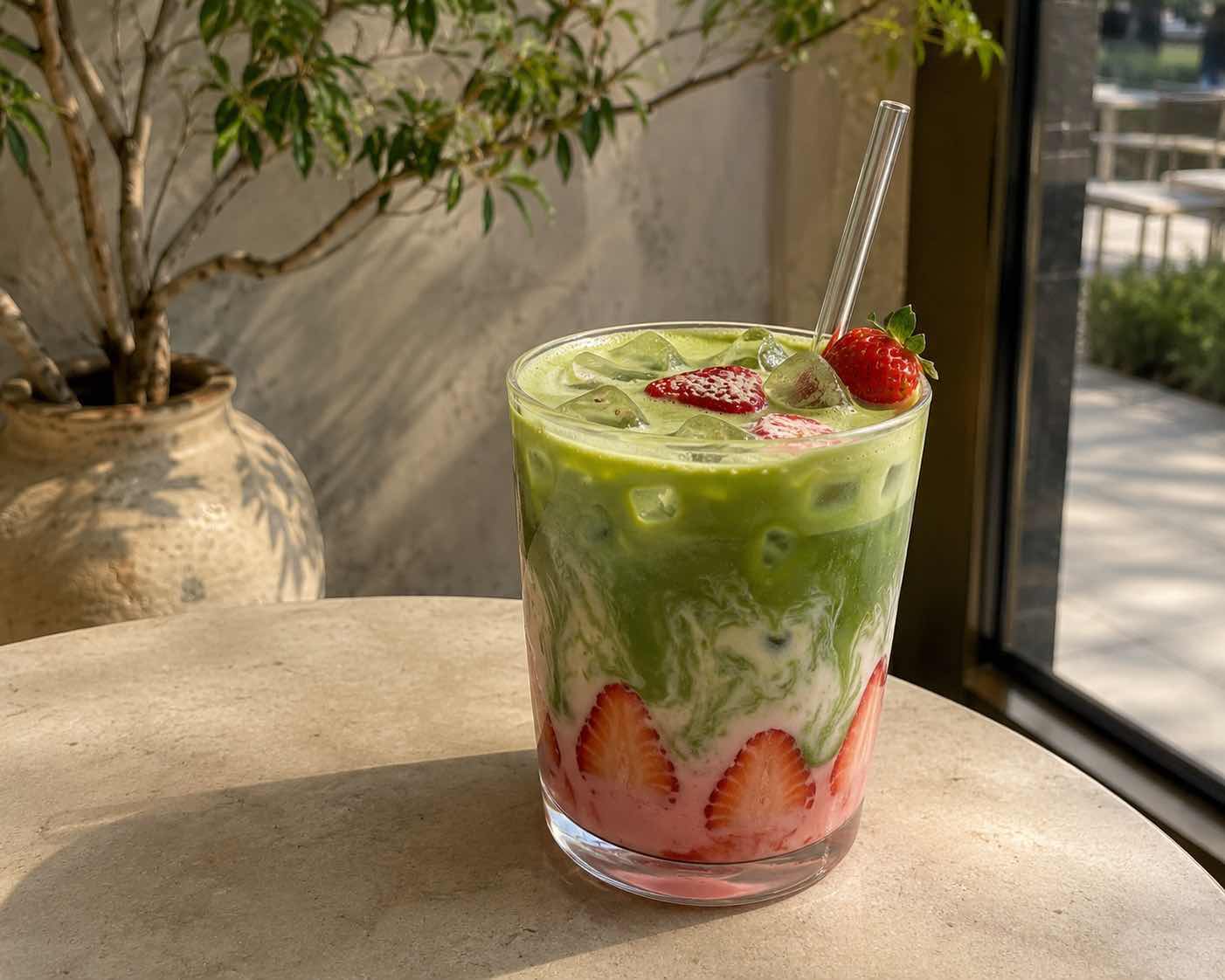
- Dairy, oat, almond or coconut milk - Sweetened or unsweetened versions - Fruit purées and flavoured foams - Hot, iced or blended preparations - Stronger or lighter matcha concentrations - Dessert-inspired toppings
This level of personalisation fits a wider beverage trend in which younger customers increasingly expect drinks to reflect their own preferences rather than follow one fixed recipe.
## **Social media keeps the trend visible**
Matcha remains one of the most visually recognisable drinks on social media.
Its bright green colour, layered presentation and preparation process make it particularly suited to Instagram and TikTok. Videos showing powder being whisked, milk being poured and fruit layers mixing together continue to generate attention.
Industry data reported by Fresh Cup showed a 19% year-on-year increase in consumer interest in matcha across social media, including recipe searches and menu appearances.
For cafés, this means matcha is not only a drink but also content. A visually distinctive cup can attract attention online and encourage customers to visit specifically to photograph or review it.
## **Gen Z has turned matcha into a lifestyle drink**
Matcha’s popularity is closely connected to younger consumers, particularly Gen Z.
For many customers, ordering matcha is associated with wellness, slower routines and a more intentional alternative to conventional coffee culture. It is often presented alongside fitness, skincare, pilates, fashion and minimalist café aesthetics.
Coffee Intelligence reported that matcha production grew by nearly 139% over three years, with Gen Z demand playing a major role in that expansion.
The drink therefore represents more than taste. It has become part of a broader lifestyle identity built around personal rituals, visual appeal and everyday wellness.
## **It offers an alternative to coffee**
Matcha contains caffeine, but many customers choose it because they perceive it as a gentler alternative to espresso-based drinks.
It also contains L-theanine, an amino acid naturally found in tea. The combination of caffeine and L-theanine is one reason matcha is often marketed as supporting a calmer, more sustained feeling of alertness than coffee.
However, the actual effect varies depending on serving size, preparation and individual sensitivity. Sweetened matcha lattes can also contain significant amounts of sugar, meaning they are not automatically a healthier choice.
Still, for customers looking to reduce coffee intake without giving up caffeine completely, matcha offers a familiar café ritual in a different form.
## **Dubai’s café culture is helping it grow**
Dubai’s highly competitive café market rewards drinks that are visually distinctive and easy to reinvent.
Matcha fits both requirements. It can be introduced as a seasonal special, paired with desserts, incorporated into branded collaborations or used as the centrepiece of a matcha-focused concept.
Visit Dubai has highlighted several cafés serving creative matcha drinks across the city, while UAE lifestyle coverage continues to document the drink’s growing role in local café culture.
The large number of independent cafés in Dubai also encourages experimentation. When one flavour combination becomes popular, new versions can appear quickly across different venues.
## **Matcha has moved beyond the latte**
Another reason the trend continues is that matcha is no longer limited to one drink.
It is now used in:
- Soft serve - Ice cream - Cookies - Cakes - Pancakes - Cheesecakes - Smoothies - Lemonades - Coconut-water drinks - Protein drinks
This versatility allows cafés and restaurants to keep the trend fresh even when customers become familiar with the standard iced matcha latte.
Matcha’s use in baking and desserts has also helped it become a broader ingredient rather than a single seasonal beverage.
## **The ritual is part of the appeal**
Preparation plays an important role in the matcha experience.
Whisking the powder, measuring the water and slowly pouring the milk create a process that feels more deliberate than pressing a button on a coffee machine.
Modern café versions are very different from traditional Japanese tea ceremonies, but they still borrow elements of ritual, patience and presentation.
This slower preparation style has become especially attractive in café spaces designed around calm interiors, minimalism and mindful experiences.
## **Rising demand is creating supply pressure**
Matcha’s continuing popularity has also created challenges.
Japanese producers have faced growing global demand, while the production process remains labour-intensive and dependent on a limited supply of suitable tea leaves.
Japan’s tea exports exceeded 10,000 tonnes between January and October 2025, rising 44% compared with the same period a year earlier, according to figures cited by the Global Japanese Tea Association.
High-grade matcha prices have also increased sharply, with some café operators reporting that premium Japanese matcha costs have nearly doubled over two years.
This means customers may see higher prices, smaller servings or greater differences in quality between cafés.
## **Not every green drink is high-quality matcha**
As demand grows, quality becomes more important.
Authentic matcha should have a vibrant green colour, a fine texture and a balanced flavour combining natural sweetness, mild bitterness and umami.
Lower-quality powders may taste more bitter, appear duller or require large amounts of syrup to make them appealing. Some commercial drinks also use pre-sweetened powders containing more sugar than tea.
Customers interested in quality can ask cafés:
- Where the matcha comes from - Whether it is sweetened - How much powder is used - Whether the drink uses pure matcha or a premixed blend - Which grade is being served
Terms such as “ceremonial grade” are widely used in marketing, but they are not governed by one universal international grading standard.
## **Could the trend eventually fade?**
Every food and beverage trend eventually changes, but matcha appears to have developed enough flexibility to remain relevant.
Its popularity is supported by several separate factors:
- It works hot or cold - It can be customised - It photographs well - It appeals to non-coffee drinkers - It fits wellness-focused marketing - It can be used in food and desserts - It has deep cultural roots - It can be positioned as premium
The specific flavours and presentation styles may change, but matcha itself is increasingly becoming a permanent café category rather than a temporary novelty.
## **Why this matters**
Matcha’s continued popularity shows how café culture is changing.
Customers are no longer choosing drinks based only on flavour or caffeine. They are also looking for personalisation, visual appeal, experience and products that fit their identity.
For UAE cafés, matcha offers a way to create seasonal drinks, attract younger customers and generate highly shareable content. For consumers, it provides a flexible alternative that can feel refreshing, premium and different from a standard coffee order.
The trend may evolve, but this summer’s menus suggest matcha is not disappearing anytime soon.
## **FAQs**
### **Why is matcha still popular this summer?**
Matcha remains popular because it works well as an iced drink, can be customised with different milks and flavours, and has strong visual appeal on social media.
### **Is matcha more popular than coffee?**
Coffee remains the larger mainstream category, but matcha is growing rapidly, especially among younger consumers and customers looking for alternatives to espresso-based drinks.
### **Does matcha contain caffeine?**
Yes. Matcha naturally contains caffeine, although the amount depends on the quantity of powder used and how the drink is prepared.
### **Is an iced matcha latte healthy?**
It can be part of a balanced diet, but its nutritional value depends on the milk, syrup, sugar and serving size. Some café versions may contain substantial added sugar.
### **Why is matcha expensive?**
High-quality matcha requires specialised cultivation, harvesting, processing and stone-grinding. Growing international demand and limited production have also placed pressure on supply and prices.
### **Why is matcha so popular in Dubai?**
Dubai has a large and highly visual café culture, warm weather suited to iced drinks and strong demand for premium, customisable beverages.
### **Will matcha remain popular after summer?**
Its role may change with seasonal menus, but matcha is now used across hot drinks, desserts and baked products, making it less dependent on summer alone.
## **Source Credits**
Information source and resource owners: Visit Dubai, Gulf News, Khaleej Times, Coffee Intelligence, Fresh Cup, Global Japanese Tea Association and cited food and beverage industry reports.
## **Image Credits**
Image sources are combined from AI-generated visuals and other platforms. If any owner wants to be mentioned or any content needs to be changed, please email us at **concerns@whatmatters.ae**.